Shackles & Cringles — Fall 2015
September 01, 2015
Downwind sailing tips from Sarah Hudson, the rules that govern overtaking, an Ontario Championships recap, and a sailor's guide to beating low back pain.
Commodore's Message
Hello Sailors,
Now that we are a good way through our 2015 season and the Pan Am Games behind us our focus is on the final series racing and regattas. We have had several great events this season with more still to come.
As reported in the previous edition of Shackles and Cringles we made changes to the Harbour Master Series with the addition of the Spring Series. This proved to be a great success with congratulations to Paul McHugh and Ralph Fischer on winning this inaugural series! At the request of some entry level sailors, we made further changes, mid season, with the addition of a B Fleet which we are happy to incorporate into our weekend series. The results are on the CAA website for those who wish to track their progress. We welcome any feedback on our racing series changes so that we can further improve the Albacore experience.
We had a successful Ontario Championships held at Hamilton Bay Sailing Club and RHYC. Many thanks to the folks at HBSC and Christine Short for pulling all this together. See the report later in this edition.
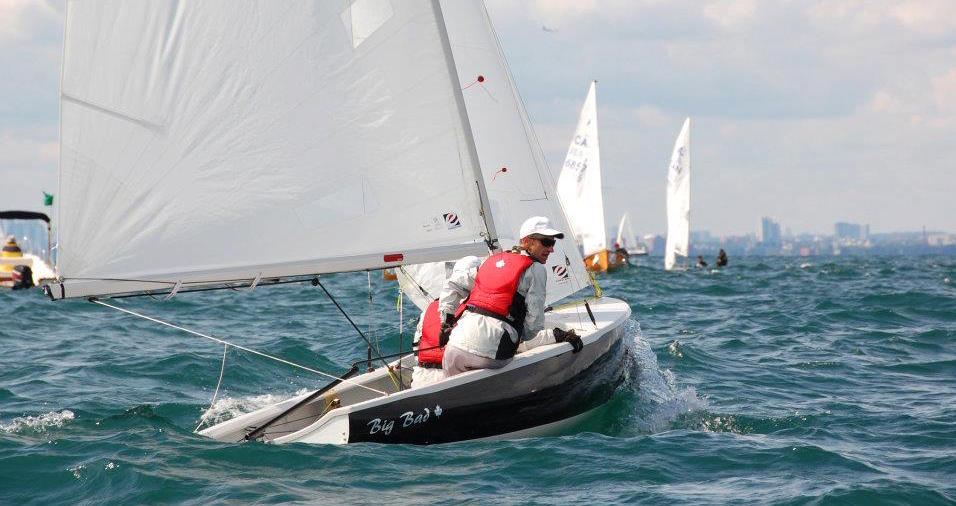
The Canadians are approaching next month at Buffalo Canoe Club. Darren Monster has been working diligently to ensure that this event lives up to our expectations of great sailing off the beach in Lake Erie. Included in the regatta package is a great meal on the Friday at an off-site craft brewery.
Currently the executive are working towards setting up for the Annual General Meeting (AGM) to be held at the Canadians. The meeting will be on the Saturday in the boat house following the meal and preceding the silent auction. Preparations include finalizing the slate of executive members for the next season and setting the agenda. Your attendance is welcome and input valued as we continue to make the Albacore the best choice for double-handed sailing.
Good luck to everyone for the remainder of this great season and see you all at the Buffalo Canoe Club in September.
Ian
CAA Introduction To Racing Clinic
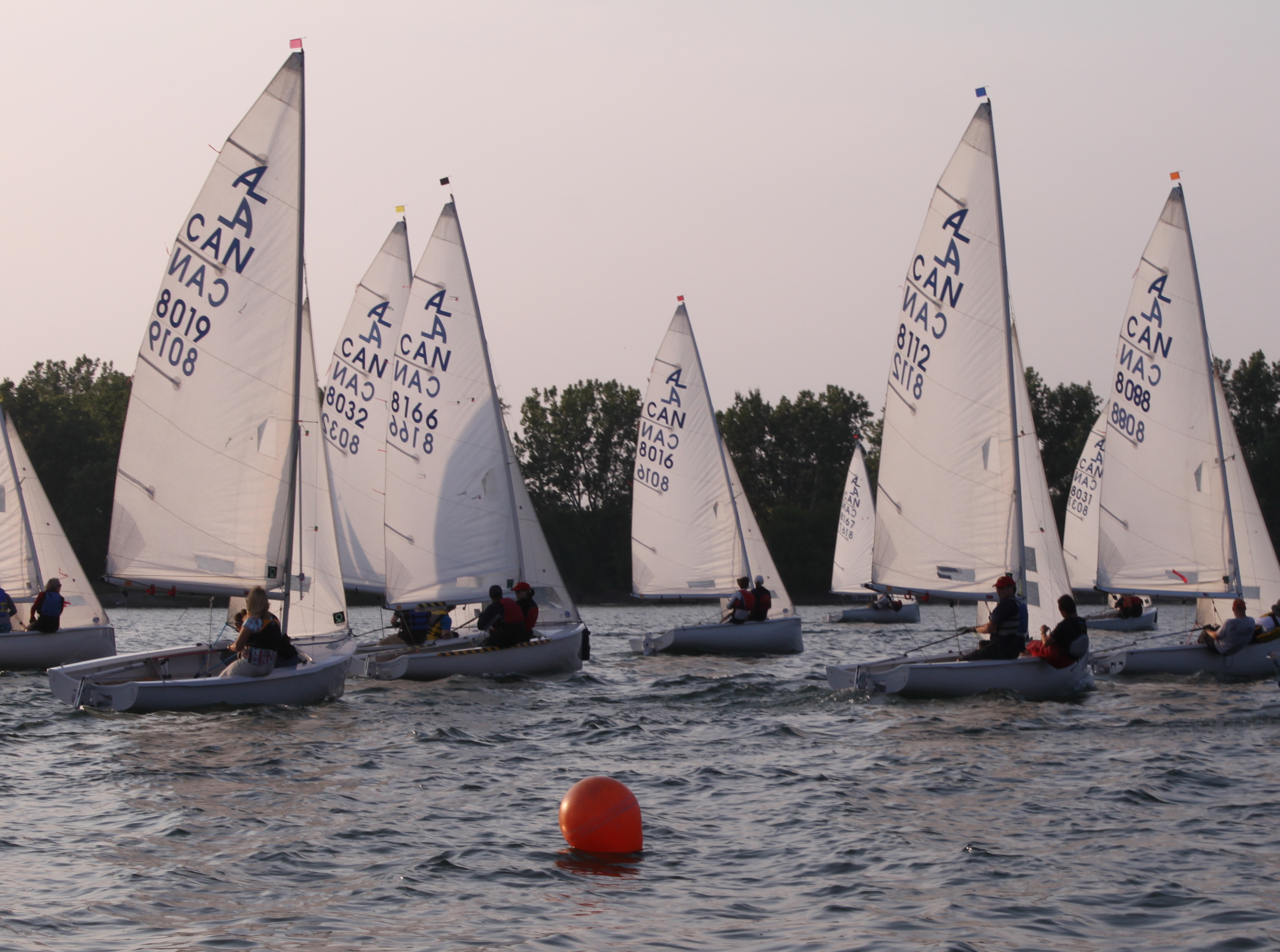
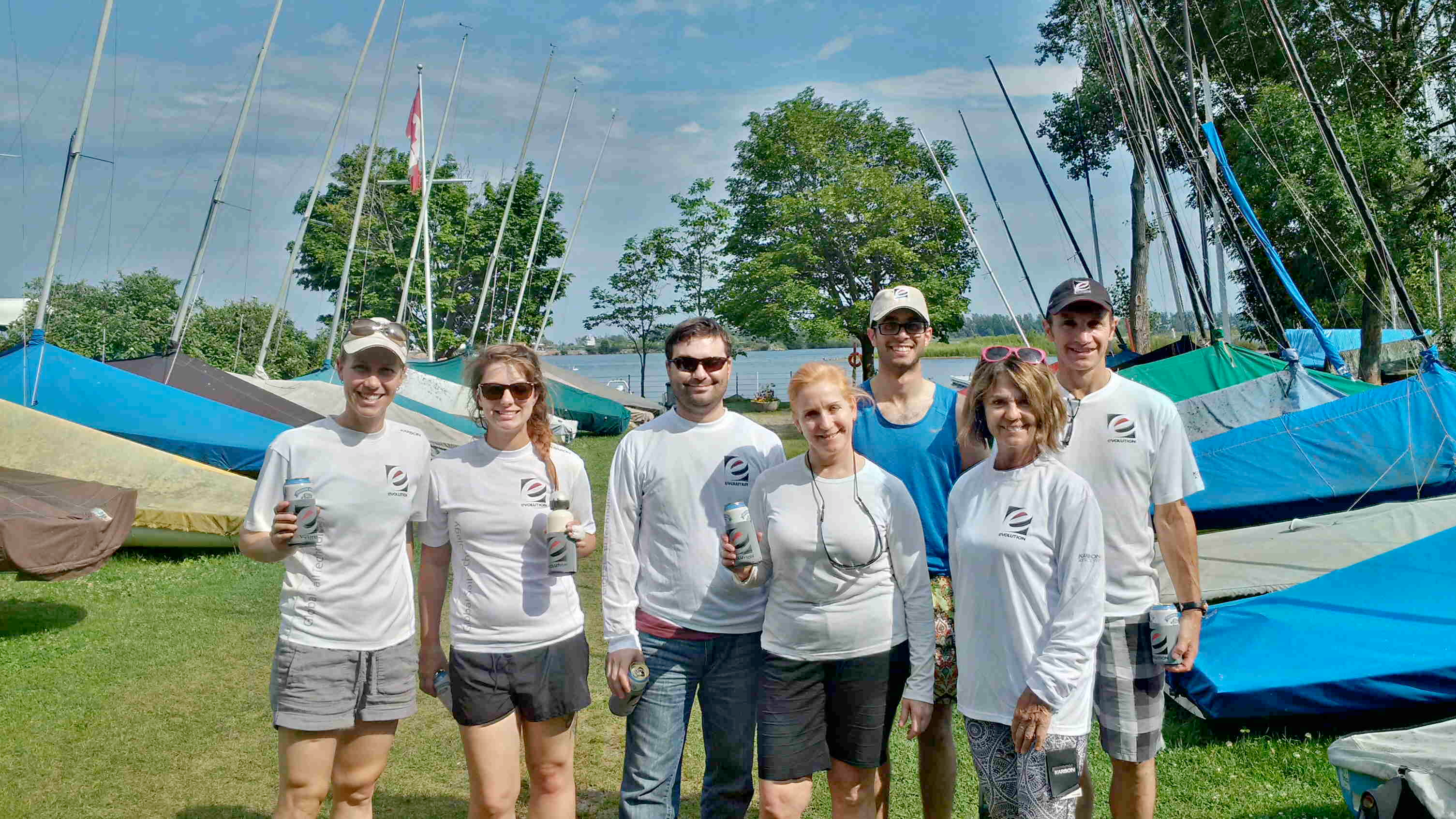
The Introduction to Racing Clinic was held on July 25, 2015 in Toronto's Outer Harbour, with Ian Brayshaw and Jenny Gibbons at the helm. The morning was filled with discussions of boat set up, racing basics, rules and some tactical tid-bits before heading out on the water.
Water activities consisted of various drills and racing. The rain and forecast storms held off but the light to moderate winds were nevertheless challenging for the new Albacore racers, with even a man overboard to liven things up! Everyone enjoyed the day and came away with a taste for the excitement and challenge of racing.
Thanks Ian and Jenny for a superb day of instruction and special thanks to Evolution Sails for providing prizes and to the members of OHCC for allowing the CAA to use their facilities.
A Few Basic Tips For Downwind Sailing
In sailboat racing there is a lot to think about. Where is the wind coming from and where will it go during the race? Is the boat set up correctly for the conditions? Where should I start? What way should I go on the first beat? Most people are working so hard to get to the first windward mark that it takes a good amount of time after rounding for someone on the boat to even ask the question: what are we going to do this downwind? With many races committees starting to mix up the course configurations away from standard triangle courses, here are some basic tips to keep in mind for those downwind legs.
Tip #1 – Start Thinking About The Downwind On The Upwind
Don't wait until you are already around the windward mark to set your strategy for the downwind leg! As you get close to the windward mark there should be a discussion on board regarding what your strategy will be for the downwind leg. Remember strategy is what you want to do on the race course to get around the course fastest in the absence of other boats. These are the big picture items like what side of the course do you want to be on; where is there the most wind pressure; what gybe is the favoured gybe, etc. Use the information you have gained on the upwind leg (or any previous race legs) to help determine your downwind strategy. Things get busy as boats converge heading into the windward mark so start talking about potential downwind strategies when you are in the top 1/3 of the upwind leg. I find it useful for one person in the boat to vocalize and reiterate what is the decided upon strategy and how you are going to execute it on the final approach to the windward mark. Key gains in position can be made in the first few boat lengths after the rounding, so it is important that both people in the boat are on the same page to execute the strategy AS YOU round the mark (not after you round!). For example if the wind is in a big right shift as you approach the windward mark, the vocalization can be as simple as “We are in a right shift and we want to gybe as we round the windward mark”. Having discussed a plan and being ready to execute it as you round the windward mark is the best way to start off your downwind leg!
Tip #2 – Keep It Moving
You have rounded the windward mark, let out your sails and……now time to relax, right? NO!
Downwind there are huge passing lanes and usually there is so much more room to play with so you have to keep your focus and keep your boat moving. How many people have heard in their boat on the upwind “hey we're pinching”. Probably lots of times. Now how many people have heard in their boats on the downwind “hey, we are sailing too low and too slow.” You maybe haven't heard this one as much, but it really is no different than pinching upwind.
Velocity Made Good (VMG) is a concept you have probably heard about and I won't go into any sort of detailed explanation, but simply put there are a lot of different angles you can sail downwind and each one will usually result in a different speed. The key to keeping your boat moving fast is finding the happy medium between angle towards the mark and speed. You don't want to go too low and slow, nor do you want to be reaching around quickly, but barely making any progress down towards the mark. And don't just point your boat at the downwind mark!
Some other thing to think about to keep your boat moving fast downwind: 1) Gybe. Yup, the wind still shifts when you are sailing downwind so keep focused on where the wind is and keep yourself on the favoured gybe. 2) Wind – keep looking for where the best wind pressure is on the course and always be in the best wind.
Tip #3 - Go Slow To Go Fast
I can't tell you how many times I have purposely slowed the boat down coming into the leeward mark. Actually - I probably can – almost every time I come into a leeward mark with other boats, I slow my boat down at some point to make sure I have a good rounding. That is how effective slowing your boat down can be: think of this scenario…….you gained three boats as you rounded the windward mark because you had talked about your downwind strategy beforehand and were ready to execute it. You passed two more boats on the run because you kept focused, kept in the best wind, gybed on the shifts and kept a great path to the mark balancing both angle and speed. You are five boat lengths out of the leeward mark and you know you aren't going to have room on the two boats in front of you – but you keep sailing fast trying to catch up to them. The two boats slow down as they get to the leeward mark because their heads are in the boat pulling on ropes. All of a sudden you are about to run into them. You panic and manoeuver to the inside of them, but you don't have room and they start to round and there is nowhere for you to go……but into the mark. As you are doing your 360 (and probably a 720 as well), the five boats you passed on the downwind pass you along with five other boats. Leeward mark fail!
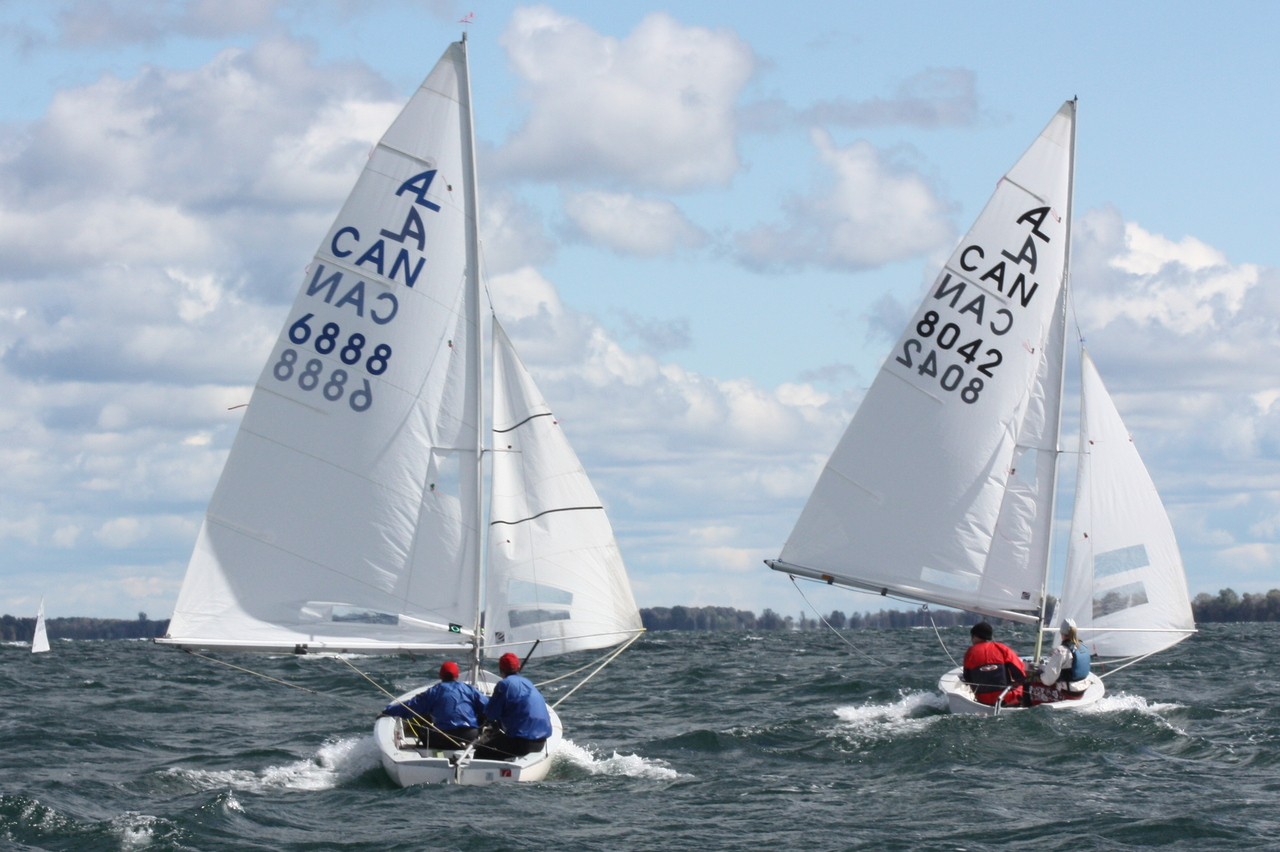
When you are approaching the leeward mark with other boats and you have established who has room on whom (or even before), start slowing your boat down as needed to make sure you round the mark BEHIND the boat in front of you – not to leeward of them and not to windward of them (because that means you have missed rounding the mark or are stuck on the mark). Slowing your boat down to make sure you have a good and controlled rounding behind the boat in front gives you all the options to execute your strategy for the next upwind. Getting caught in a pinwheel, or worse, not only sucks but it probably won't allow you to execute your upwind strategy for at least the bottom 1/3 of the beat. How you slow your boat down depends on the wind conditions, but the key tool would be pulling in your mainsail. This is a technique you can go out and practice on your own. Sail downwind towards a mark and, as you get to five boat lengths out, start slowing down the boat and then really slow it down as you enter the three boat length circle. Practice going slow in the three boat lengths as if you are waiting for the dust to settle in front of you, then practice going from slow to rounding the mark and getting back up to full speed on the upwind.
When I used the term basic in the title of the article, I meant basic. These tips shouldn't be hard to keep in mind, but like most things in life, sometimes bringing it back to the basics brings the best results!
Downwind Dilemmas – The Rules That Govern Overtaking
The following has been excerpted, by the editor, from a much longer piece found at mysailing.com.au.
The same rules apply downwind as on the upwind legs. When boats approach each other, a starboard tack boat has right of way over a port tack boat under Rule 10. Similarly a windward boat or an overtaking boat has to ensure they don't intrude under rules 11 and 12 respectively.
Most situations are relatively straight-forward when two boats merge on a down-wind leg. However there are a few that need clarification.
Keep clear:
Under Rule 15, if you acquire right of way, you must initially give the other boat room to keep clear, unless you get right of way because of the other boat's actions. This simply means that when two boats are in close proximity, one cannot quickly throw the boom across and hail “starboard” or “leeward boat”.
Rule 17 also comes into play, basically saying: If you catch up with another boat and you want to pass it to leeward, you may not sail above your proper course: you can't sail higher than you would have done if that boat wasn't there.
Whose proper course?
Once you enter a 2 boat zone from astern Rules 12 states that you are no longer able to sail higher than your proper course, which is generally perceived to be your course up until the point that you entered the zone. The windward boat's proper course is immaterial but is still obliged by rule 11 to keep clear of the leeward boat.
If you find yourself in this position where you have a faster, higher sailing boat approaching from astern and to leeward, you should alter your course to parallel the approaching boat's course. Once that leeward boat sails up to you and gains an overlap they cannot then luff or sail higher as Rule 17 kicks in once the overlap is established.
Breaking the overlap:
This obligation continues until the leeward boat is clear ahead, and by clear ahead that means her stern must be clear of the windward boat's bow.
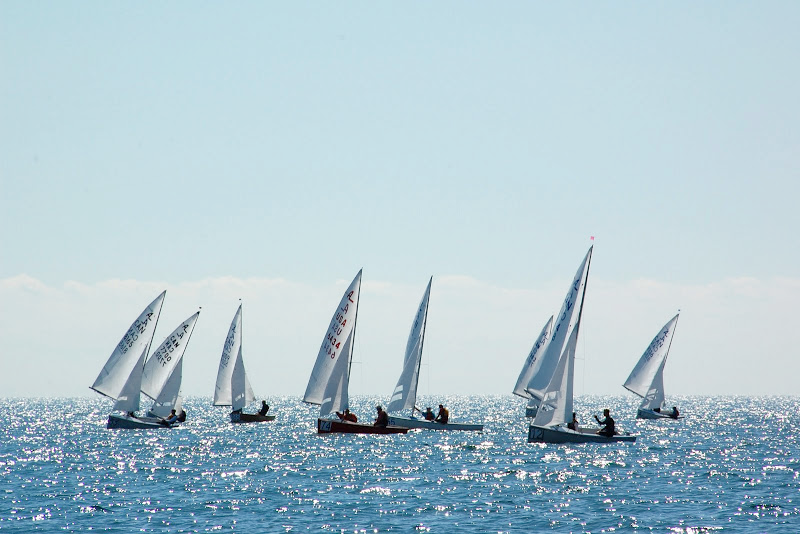
A heartfelt thank you goes out to all those who contributed to this issue - it can't exist without you! Some of the beautiful photos are by Graham Pearson, Pratima Singh and Robert Macdonald. Any and all contributions are welcome - send me your stories, triumphs, pratfalls, jokes and good sense!
Ontario Championships Recap
The 2015 Ontario Albacore Championships were held July 11th and 12th in Hamilton and were hosted by the Royal Canadian Yacht Club and the Hamilton Bay Sailing Club.
The first day of the event coincided with the Hamilton Bay Open Regatta, with 15 boats participating overall. The race committee managed to get off three light air races with the breeze coming from the West over a shared course set up on the South side of Hamilton Bay. The secret to success was to find the wind, sail to it and stay in it, which Ken Clarke and Christine Short did better then any other boat! Leading after Day 1 and thus winning the HBSC Open Regatta. Brian Ritskes and Orest Ostapiak took the honours for the top HBSC boat.
After a long, hot day on the water, participants were treated to the hospitality of the many HBSC volunteers with a pig roast and a selection of salads and sweets that spanned the entire length of the Macassa Bay Yacht Club! We enjoyed a beautiful sunset on the deck of the club while listening to the band play.
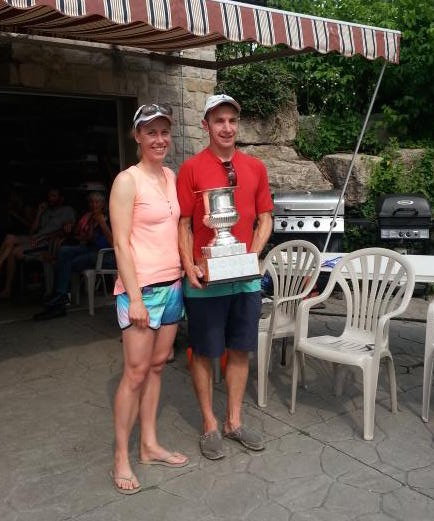
The second day of competition saw just 10 boats on the race course. The day started off under postponement as we waited for the wind to swing around and fill in from the East. The more consistent breeze allowed the race committee to get 4 races off. The racing got interesting when Brian Ritskes and Terry Wagg, both of HBSC, used their skills and local knowledge to have a couple of strong top 3 finishes in the final races. Scoring for the top 3 boats couldn't have been closer! I guess it took working together and remaining calm, despite frustrating conditions, for Ian Brayshaw and I (of OHCC) to win top spot with 11 points. But Michael Williamson and Michelle Adolph, of TISC, won the tiebreaker for second place over Ken Clarke and Christine Short, of OHCC/QCYC, both with only 12 points!
A great big thanks to Christine Short for coordinating the event: Sunwing Vacations for sponsoring the breakfasts, Nickel Brook Brewing Company for supplying beer and the t-shirts, RHYC for their race committee work, Mark Simpson for his work on the race committee and for calculating the results, Kelly Rogers, Samantha Craigie and Frank Koren, volunteers from HBSC, for organizing all the food and drinks and for making us all feel so welcome.
Health And Welfare Tips - Low Back Pain In Sailors
One of the most frustrating and debilitating conditions that affect a sailor is back pain and, more specifically, lower back pain. Back pain can affect you at any age and is usually the result of physical strain. It can develop all of a sudden, due to an acute injury, or creep up on you and wear you down over time until you have to throw in the towel and have to rest.
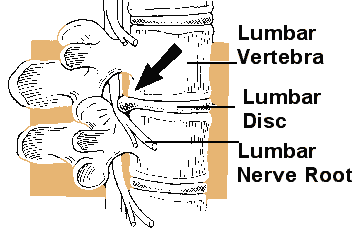
The elements of the lumbar spine are subject to wear and tear just like a car tire and when the integrity of the system fails, your nerves will let the brain know that there is a problem through pain. We've all been subject to the continual grind of gravity since we first learned to walk and the adoption of a sedentary lifestyle has undoubtedly contributed to the epidemic of back pain in our society.
The usual solution is improved fitness. Fitness raises the threshold for injury even in cases where there already has been significant deterioration of the spinal support system. And fitness refers specifically to core muscle strengthening of which abdominal muscle strengthening is a core principle.
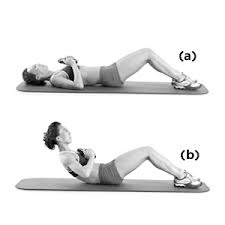
Most people will immediately default to sit-ups as their basic abdominal strengthening exercise. However, those exercises in which you typically anchor your feet under a support actually train your hip flexor muscles while sparing the abdominals. Hiking exercises, while excellent for developing the hip flexors for the rigors of dinghy sailing, don't adequately train the abdominal core and would still leave you vulnerable to back strain. A basic abdominal core exercise is to lie flat on your back with your knees bent and hips flexed to 45 degrees while lifting your upper torso from the floor while looking upwards. This is harder than it appears and a few attempts at this will immediately convince you how as to how weak you are abdominally. The internet is full of core strengthening exercises and I have attached a few links below. With proper attention to these simple principles, back pain should no longer keep you off the water.
healthandwellness.vanderbilt.edu – Beginner and Advanced Core Exercises
wikihow.com – Do Core Exercises
sportsinjuryclinic.net – Core Strengthening & Stability
Our 2015 CAA Executive Board
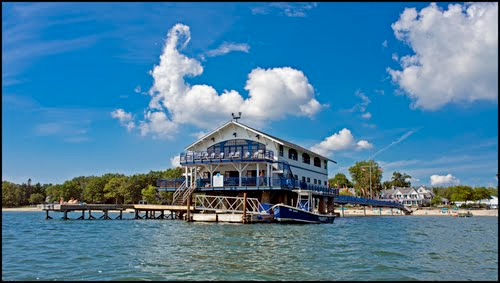
This September 11 - 13, join the rest of the gang for the Canadian Championships at the beautiful Buffalo Canoe Club. With its classic wood banquet room on the pier, Buffalo CC is renowned for the quality of its race committee, the gloriously breezy conditions of Lake Erie, and the beautiful beach.
| Rear Commodore & Canadians Regatta Chair | Darren Monster |
| Commodore | Ian Brayshaw |
| Past Commodore | Mary Neumann |
| First Vice-Commodore & Race Chair | Marek Balinski |
| Second Vice-Commodore & Promotions | Dominic Goodwill |
| Third Vice-Commodore & Education | Frank Loritz |
| Secretary | George Carter |
| Membership Secretary | Jason Wattleworth |
| Treasurer | John Cawthorne |
| Chief Measurer | Ken Yamazaki |
| Specifications Committee Chairman | David Weaver |
| Editor, Shackles & Cringles | Tannis Baker |
Women's Regatta & Club News
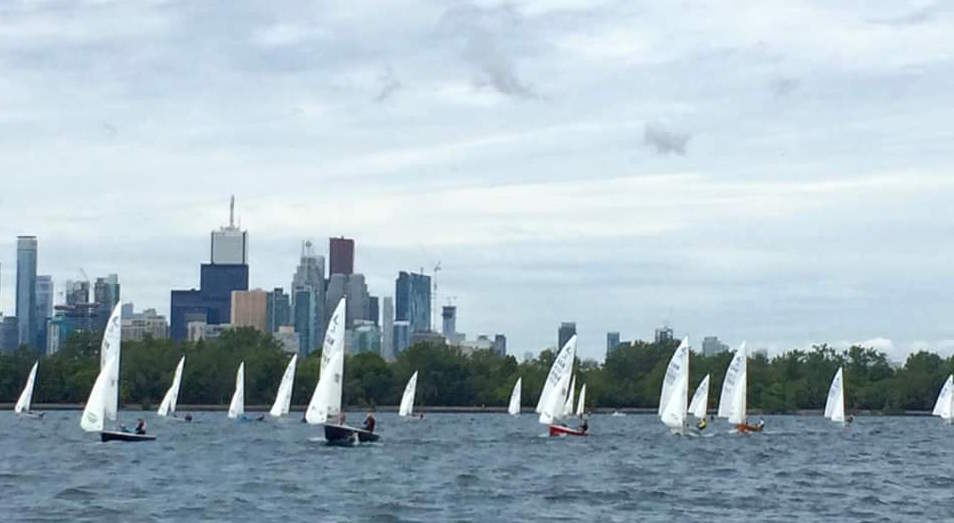
Ahoy Members!
We are looking for a committed members to step forward prior to the AGM on Sept 12. The Membership and Communications/Promotions portfolios need to be filled for the 2016 slate. Here's your chance to help steer your organization painlessly! Lots of mentoring provided and a lovely bunch of fellow volunteers!