Shackles & Cringles — Winter 2016
January 15, 2016
Checking Assumptions on the racecourse, a dilettante's guide to wooden boat maintenance, two takes on a wild Buffalo Canoe Club Canadians, and a big photo roundup from the 2015 season.
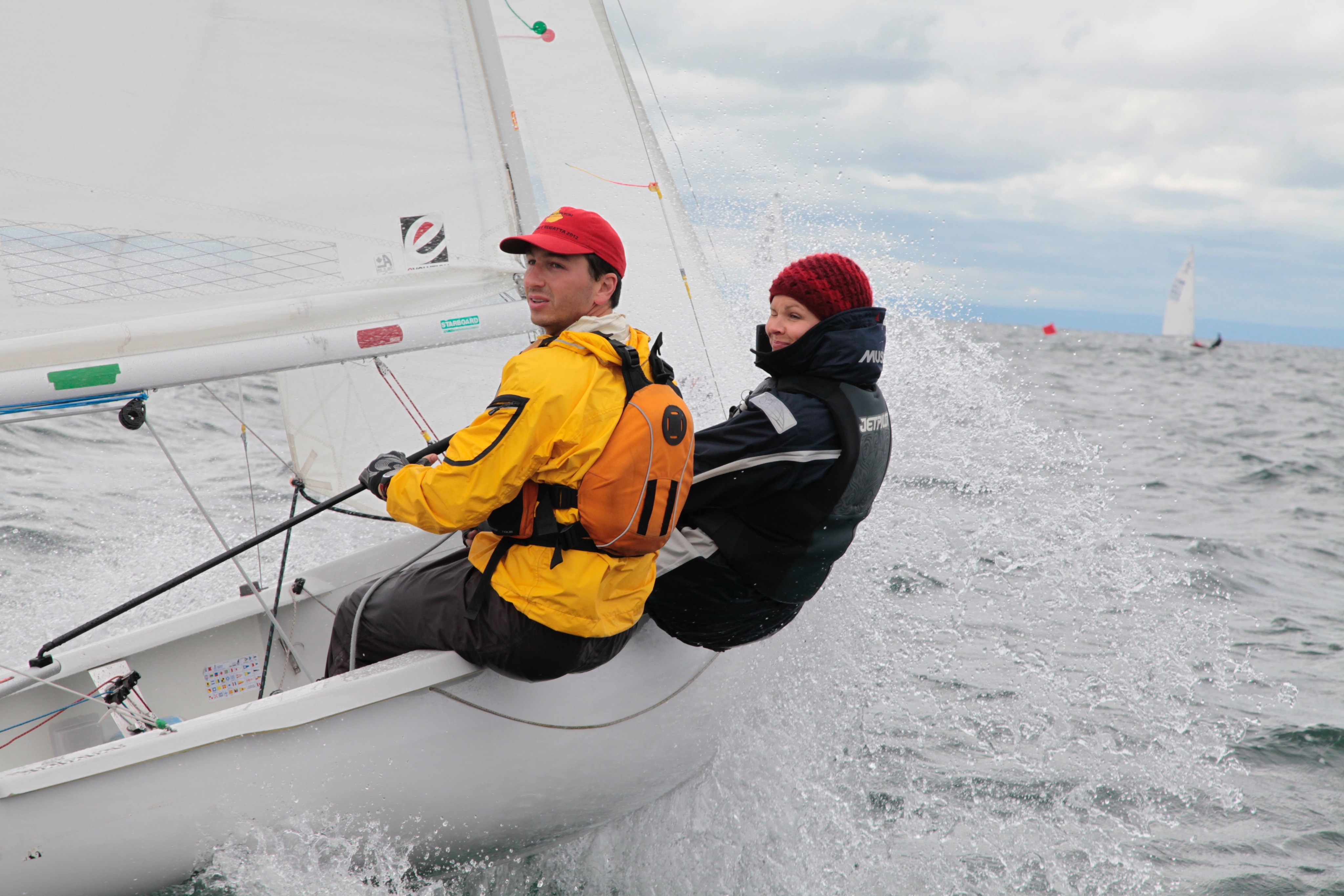
Message From The Commodore
Happy New Year Sailors!
2016 is now here and the new CAA executive are working away to ensure that the upcoming season will be a memorable one. With no Internationals this year and the NA Championships to be held in the US, we can focus on making our CAA sponsored events the best possible, with emphasis on increasing the participation. We have seen a decline in participation at our championship and series racing events over the past few seasons, so we at the executive are working to reverse this trend. Standby for the annual membership drive which will outline the benefits and advantages of being a CAA member.
I am sure that many of you are wondering why the CAA did not sponsor a booth at the Toronto International Boat Show this year. We have attended the boat show for many years and the decision to not attend this year was a difficult one, communicated through a mass email to the membership already. If you have comments or concerns, please send them through the CAA website www.albacore.ca and send them through the “contact us page”. We welcome your feedback.
Our new VC of Promotions, Graham Pearson, has lots of plans for the Spring/Summer - through the use of social media and our website, he hopes to increase participation and regional connectedness. Watch for the CAA's “RAW FISH 2016”! Details coming soon.
For those of you who would like to showcase your specific event, recent albacore experience, or have an albacore issue which may be of interest to the fleet, please let us know and we will include this in our next edition of Shackles and Cringles, or provide access to the CAA website and social media feeds. We are always looking for events and activities to communicate to the whole membership.
Tannis Baker has again been diligently working to ensure that this edition of Shackles and Cringles meets the standards that we have come to expect in recent years so “Thanks Tannis” and please keep this going well. And please read on as this edition is full of interesting items.
That's it for now, hope to see you all on the water soon!
Ian
Thank You to the 2015 Canadian Championship sponsors! We couldn't do it without you!
Checking Assumptions (Among Other Things!)
I sailed in my first Albacore race in 1997 on the Ottawa River at Sail RA, an Ottawa sailing club featuring Albacores and Lasers. Since I had some recreational cottage sailing experience, I skipped. I was probably last of the six or so boats. 50 years old at the time. Sail RA had a surfeit of crew so I basically skipped all 5 years I was there and was eventually challenging for the lead in most club races - there was only one member who I thought was clearly better.
In 2002 I moved to the GTA and joined Westwood Sailing Club, where I passed my Skipper test and qualified to helm races - including the first 5 Friday Night Races of that season. Those first 5 starts (and finishes) could best be described as my being 'chewed up and spit out the back of the fleet'. I could not see this getting any better in the near future so I switched to crewing and quickly found out I wasn't good at that either. Not surprising, in hindsight, since I had even less experience at crewing. That season, I learned a lot from the veteran skippers at Westwood, most of whom had ideas about how I could crew better and were not shy to tell me both during and after the races. In Harbourmaster races, I hooked up with another member and we each helmed every 2nd race, not very well, usually. So, I took a beginner racing seminar that year, and pretty much each year for the next 10, I took a one or two day racing course from a highly qualified skipper.
In 2003, I started crewing for Milutin Ajdacic; that season we did several local regattas, the 7 day Internationals at Kingston, the US nationals and were a team for the next 8 years or so. When Milutin was not sailing, I would helm myself in regattas and harbourmasters. Milutin was and is a great blessing to me and my sailing. Without him I probably would never have travelled to the US to get beaten by Barney yet again (learning something each time). Away regattas are a great learning experience because all you do is sail and compare notes afterward for an entire weekend. By 2005 I was helming regularly in FNRs, not because I thought I was ready but because we had more crew than skippers. All that crewing in the 3 prior years helped a lot and I was doing much better in the results, still in the back half in general, but occasionally near the front.
In the sailing seasons 2002-2014 I probably participated in as many or more races than any other Toronto sailor (yes, I know most of you have a life, but so what?). It is the one thing I have done consistently well, getting time on the water and experience in races.
Initially, my yearly overall results were not attracting any notice (other than my own) though I feel that I got a little better every year. I suppose 2012 was a breakout year for me. Kass Gibson and I won the TISC Regatta, Patrina Lambert and I were 2nd in the Jtown Regatta and I finished 15th in the FNRs (I had never cracked the top 20 before). 2013 saw me at 5th in the FNRs, Kass and I were 4th TISC regatta and 6th Jtown regatta. I had a great run with Kass for 1½ years; he made me look better than I really am. 2014 I was 8th in FNR which makes it 3 good years in a row.
Still, this is not a resume that will inspire you to hire me as your coach. I would advise against that. But I will provide a few examples of things that helped me in one or more of my modest successes:
I try to sail with those who know more than I do. This meant a lot of crewing but I would say you can learn more as a crew that you do as a skipper, and that you learn more near the top of the fleet than towards the bottom. Here is an example of how an experienced skipper can benefit.
In 2004, I crewed for Kevin Smith in a Humber Bay regatta on a light air day. We got a good start in the first race and Kevin asked me “what do we do now”. After I got over the shock of being asked, I looked around and saw that, although there were small ripples on the water almost everywhere, we were heading directly toward a large patch which was mirror smooth. So, I said “Looks like we are heading for a hole so we should tack before we get there”. Kevin paused about 2 seconds and said “can't be”. We sailed into the no ripple patch and through it without slowing down or losing our position and went on to win the race.
10 years later this experience had a big impact on a Toronto Outer Harbour race in a light easterly. We were late on the course and were crawling downwind from the rat spit to the start line bounded on the north by Mark #2, near the shore. I thought that the light ripples on the water were a bit stronger about 200 feet off Cherry Beach. Closer to the beach ripples were increasingly light until the last 50 feet or so which was mirror smooth. During the prestart, I could see that no boat was sailing into the area close to the beach and concluded that the fleet, seeing the flat water, believed there was no wind there. I paused for about 2 seconds and thought “can't be”.
We started on the left side of the line where all the early leaders started. But, while all the others tacked before getting anywhere near the north shore, we sailed as deep as we could safely before tacking. We were way left of everyone else and could see the whole fleet. It was evident that we were going faster than any other boat. Not only was there wind next to Cherry Beach, there was more wind. All we had to do, to get to the upwind mark first, was hug the north shore. I doubt we would have made this decision had I not sailed with Kevin in 2004.
I read this somewhere: in light air, wind gathers along the shore. This has helped me numerous times, e.g. in an Outer Harbour race a few years back, I rounded the upwind mark (#6) in the back quarter of the fleet, barely moving as the wind had died. Most of the fleet was parked wing on wing downwind (towards #9) and a few were creeping on a reach towards the middle of the course. Remembering the above saying, I decided to reach to the south shore (the closer shore by far) to look for wind. Remarkably, not only was there a faint breeze, but it appeared to be coming off the shore and I was able to bear off and reach parallel to the shore while most of the rest of the fleet remained parked in downwind setting as I slowly crept by into 2nd place.
Another habit that has worked for me is to check my assumptions. I only wish I had checked this one sooner. In the 2005 TISC regatta in Toronto's Inner Harbour, we had a 4-5 knot east wind so that the right side of the course was towards the island and in its lee. Prior to the start, no boat had sailed to the right corner. We all had assumed it was a hole. After the first triangle I was sailing upwind on port. I began thinking about the assumption of no wind in the right corner. I wondered if wind channelling through the eastern gap might not spread out into the harbour and flow into that right corner. Being 18th at this point, I had nothing to lose so I went hard right. Deep in the right corner we got a sudden 10 degree lift, no change in wind speed. We spent a long time on this lifted tack, and after taking the knocked tack for a bit got back into the same wind as the rest of the fleet. I later estimated we were sailing 8 boat lengths less distance than those who went left. We went hard right on the last upwind as well, moving from 18th to 9th in the process. Next race, hard right on all 3 upwinds got us a bullet by at least 17 boat lengths. At this point, after race 2, I was thinking 'not only might we win this regatta, we might win 3 races in this regatta'. One minute later a windshift killed my lovely shortcut and the right side became the hole the fleet had expected it to be. Rats.
A Dilettante's Guide To Wooden Boat Maintenance
There are many ends you would want to achieve by working on a wooden boat. Most of us would want the boat to be fast, durable, and good looking, but each of us has some life beyond sailing and we need to use our time sparingly. As a result, sometimes we don't have enough time to achieve three goals, and so, we need to prioritize.
From this perspective, the most important goal is to make sure that the boat lasts by avoiding any contact between water and bare wood. Water will cause wood in the boat to rot, even though, according to specialists, one winter is not enough for mahogany to rot through (apparently a boat can still be saved after being left to rot for a winter, though, I suppose, this would take way more effort than the regular maintenance).
Refinishing
So, there are several ways to ensure that all the wood in the boat is sealed and water does not come in. We don't use things like tar or packing and boats are not sunk at the beginning of the season to swell and close all the gaps in the planks; Albacores are not made of planks and none of this has ever been done with Albacores - they are just too modern a design. Boats simply need to be either varnished or clear coated with polyurethane; either of these can be used together with epoxy resin.
There are several pros and cons for using different combinations of these materials.
Traditionally, boats used to be varnished with several coats of one part marine varnish. It seals the boat without much difficulty, but it requires more skill to make the boat smooth and you need to put on a number of coats (10 would be good) and repeat the exercise every spring (with at least 2 more coats, after sanding between). The result is a finish which is softer than two part coatings and, for this reason, more susceptible to scratches.
From time to time, when the finish is really old the boat needs to be “taken down to bare wood”. This is a major enterprise; it is quite time consuming to sand off the entire finish. I usually take it off with a heat gun and a scraper. You need to be careful with these implements; a heat gun can leave black pock-marks on your hull which are too deep to sand off and the scraper can gouge the wood. Nevertheless, this method is the most efficient at removing finish and it doesn't seem to take off as much wood as careless sanding might.
It is a good idea to then coat the boat in epoxy resin because it is much better for waterproofing than varnish. But, epoxy breaks down easily under the sun - clear coating an epoxied boat is needed to slow down this process. Varnish and two part finishes both stop UV rays from destroying epoxy.
Once the boat is brought down to bare wood, you may also want to fair the hull or try to stiffen it with fibreglass.
I put fibreglass on both my wooden Albacores, to avoid having to deal with cracks in the wood that started to appear along the seams of the veneer. It can be done in such a way that fibreglass is not visible under clear coating.
Preparation consists in sanding the hull with 80 grit sand paper for good adhesion and using a temporary adhesive to keep fibreglass in place before wetting it out with epoxy; this adhesive enabled me to overcome the biggest, though unexpected challenge of keeping the sheet of glass fibre in place while working on it and avoid most of the bubbles which have a tendency to form where glass fibre needs to stretch or shrink to conform to the hull shape.
In theory, you should use as much epoxy resin as fibreglass; calculate the weight of fibre glass to use, multiply it by 2 and you have the amount of weight you add to the boat. I was told not to use glass below 4oz/yd2, because this would not significantly stiffen the hull. After some experiments (successful ones on the boat that I painted), I have used only one 15 foot length of fibreglass through the centre of the clear coated boat, which translates into approximately 34 oz. This would mean that I added about 4 lb to the weight of the boat, although I am certain I used less than 34 oz of epoxy. And, after all, epoxy resin was going to be coating the boat anyway.
When it comes to fairing, try to do it by adding material, rather than removing it; even though this will add some more weight to the boat. You need to be mindful of the minimum hull thickness requirement, and you have to be sure that the boat stays stiff. It is a challenge to add fairing material to a clear coated hull. I used more epoxy with small quantities of filler to thicken it without losing transparency. Sanding this kind of stuff takes a very long time. You have to experiment. Of course, the longer the sanding board you use for fairing the better the result, though the process is always very tedious and boring. It is better to do all fairing just before the final layer. If you fair before glass fibre, then you will have to repeat at least some of your fairing.
Make sure that you are using good quality epoxy resin which is not brittle; the boat will flex from rig tension and other forces while sailing. I suspect that the cracks I was getting in the veneer were caused by a brittle kind of epoxy I used the previous time.
After an additional coat of epoxy or two (read instructions to make sure that you can put on another coat without sanding), the boat is ready for varnish or two part polyurethane, unless you want to sail faster and need to fair the boat.
For the final layer you can use either one part or a two part finish.
One part finishes are usually easier to apply, just like varnish I mentioned before, but are softer and tend not to be as durable as two part finishes. Just make sure that you are using a marine finish.
Two part finishes are more difficult to work with; you have to estimate and mix the quantity you want to use for each coat and the time you need to finish a coat before the paint starts to set (which may be 20 minutes it the place where you are working is hot enough). Also, their behaviour depends on temperature and humidity of your location. This is why they always give you the working time at 20 Celsius. Of course, if it is warmer, the time gets shorter. And actually, the same goes for epoxy. Also you may have to wait for something like 18 hours between the coats of a two part finish, which may make it difficult to put on all coats without sanding between them.
Preparation is very important for two part finishes, so use the right grit when you sand and make sure that the hull is cleaned with whatever harsh chemical the product manufacturer desires. When you are using two part coatings, make sure you are wearing rubber gloves and a good mask with proper filters; you shouldn't be smelling anything with the mask on, if you do, get a replacement filter. Of course, if you are an amateur of interesting sensations, you may choose to work without a mask. After a few minutes, you will start to feel very happy without drinking or smoking anything.
To apply your finish follow instructions and use a foam roller. For an Albacore hull, you will need about three good quality solvent resistant rollers; if they are not solvent resistant, you will ruin your work by leaving pieces of foam in the paint. You have to prepare enough paint or clear coat to cover the whole hull; if you run out, you will never be able to start where the paint ended without leaving a visible mark on the hull. Also, if temperature is high enough, the paint will start to kick before you are finished. So, avoid high temperatures and have enough paint!
The process of painting is very simple. Spread out the finish lengthwise on the hull by pushing the roller rather hard, roll crosswise to cover any gaps and even out the coat, finish by rolling lengthwise again, touching the hull with the roller delicately this time, to smooth it out and blend in with the previously painted parts of the hull. Make sure you always extend the painted part without leaving any newly painted edges for even a few minutes. These clear coats and paints start to dry very quickly and it becomes impossible to blend in the newly painted parts with the rest of the hull. They tell you to use foam brushes (again, good quality, solvent resistant ones from marine supply stores, not stuff from Home Depot), but I was never able to use them to smooth out the finish as well as I can do that with a roller.
After the paint or clear coat, you may wish to do what used to be called “wet sanding”. Wet sanding is a misnomer. You can use any sand paper of a sufficiently small grit and water is not needed any longer. Apparently, human touch is capable of feeling scratches up to 320 grit. My own experience confirms this contention. So, if you can feel any imperfection on the hull when you touch it, start with 320, unless there are some runs which may be taken off with lower grit. Be careful though not to use a sander (unless you are very skilled); it is very easy to take off the whole finish even when you are using the appropriate grit.
After 320, sand with 400, then, 600, 800, 1000, and 1200. Then you can use a 1600 buffing compound, though there are also some specialty sand papers at 1600 grit. Of course, sanding makes the finish lose shine but I once experimented and bought some special sand papers and went to about 4800 grit (I am not sure whether these numbers have any meaning at this point). The bottom of my boat became very shiny again. However, as an experiment I did it first only on one side of the boat to see whether it made any difference. The only thing I noticed was a different sound against the water the boat was making on different tacks.
With two part finishes, you don't need to recoat every spring; just make sure you are using a good quality finish. I had a bad experience with Endura paint, though it may have been just my own lack of skill. In Toronto you can buy mostly Epifanes products, so this is what I use, though I heard that Interlux products are better. Also, most of the time, four coats are enough, unless you want to use light colour paint over dark wood.
Keeping It Sealed
Now, if a boat is clear coated (I prefer clear coating, because you can see what is going on with the wood) and wet sanded, from time to time one can see darker blotches which indicate moisture in the wood. Usually, these blemishes are visible only in places which are not seen very often, like the bottom of the boat. Otherwise they are quickly caught by the owner and, hopefully, taken care of immediately. Sometimes though, the owners don't know how to find a source of moisture, that is, the place where water comes in.
There are two typical places in wooden Albacores: in front of the centreboard trunk and under the forward bulkhead.
Just like plastic boats, wooden boats usually have a one piece centreboard cap. Further forward, the same piece of wood becomes the top of the mast step (and it is better when it is a piece of marine plywood; if it is solid wood, it can crack). Underneath, there are usually two pieces of plywood forming the sides of the centreboard trunk and extending right up to the mast step, which can be hollow in some wooden boats. The trunk is usually reinforced with thwarts etc.
In front of the centreboard trunk, there is often an empty space, where water is not supposed to go, because of the section of wood at the forward limit of the trunk. However, there is usually no access to it or the space between the two extended pieces of plywood. If water gets in there, the wood will rot. If will first darken, and once you see that, it needs to be dried. So, cut it out, install an inspection port, and find the source of water in the wood.
The source of the water, in this case, is usually somewhere in the centreboard trunk. It is best to find the exact spot where water comes into the boat and pour some non-viscous epoxy resin right in there, provided there is no rot. If the wood has started to rot on a smaller scale, you can use some anti-rot remedies: specially formulated epoxy resins. If there is too much rot, surgery is needed and I am not able to give advice about that. Most of the time, the problem I am describing is caused by the sides of the centreboard trunk ungluing themselves from the piece of wood at the forward edge of the trunk. If you are fed up with fixing this problem, you can cut out the parts of the plywood in front of the centreboard trunk making it easier to fix the leak while lightening the boat (plywood extending in front of the centreboard trunk is not structural; just make sure you don't cut the trunk itself or the mast step).
Another place where there may be moisture in the hull is the bottom of the boat under the forward bulkhead. Since the boat flexes while sailing, the bulkhead might unglue itself (or start to) from the bottom. This is very difficult to spot, even when you are looking for the place where water comes in. So, how do you fix it?
First, the moisture needs to be taken out of the hull. Since it appeared at the bottom of the hull, the finish has to be opened there, in order to allow the moisture to escape - it is enough to make a few cuts in the finish rather than take it off. Once the area is dry, I would use epoxy to re-seal the bulkhead to the bottom of the hull inside the cockpit. Of course, you need to prepare the area by sanding. Re-coating the joint between the bulkhead and the hull usually solves the problem, since it fills any possible cracks in the glue.
If there is moisture in any other place, the procedure is similar; find the way water is coming in, let the moisture escape by cutting through the finish, seal both the finish and the place where water came in.
Gunwales Repairs
I am not much of a woodworker, so I am very reluctant to fix any cracks in the wood by myself. Gunwales are an exception, because it is easy to fix them so they look good. The biggest problem with fixing wood it to make a repair smooth. If there is a problem with the hull, smoothness can be achieved by fairing, so long as it is not a deep dent in a clear coated surface. Gunwales on the other hand, are not going through water, so, they don't need to faired; they just need to look good. So, once you cut out a broken piece of gunwale, make a replacement piece out of the requisite kind of wood (most boats have gunwales made out of sycamore, but hard white maple looks practically the same), glue it in, and then, simply smooth it out with a sander and re-coat. (If you are able to recover the piece that broke off, just glue IT back in!) Sounds simple, doesn't it?
2015 Canadian Albacore Championship Recap
Buffalo Canoe Club, or BCC, lived up to its reputation: a superb beach, beautiful club house, wind and big wave sailing conditions. This year's Albacore Canadians saw 31 boats attend, with 4 in the B Fleet, and 2 from the US. To start, conditions on Friday were sunny with temperatures around 20C but light and shifty winds. David Sprague, our PRO, warned us about the conditions, but also noted that racing is racing. The race committee headed out, with our resident cinematographer, Cathyann White on the RC, set to try some live stream with the Periscope app.
Four races were completed on Day 1, with a premium paid to wind sniffing and clear air. Raines Koby and Abby McInnes led the way with 14 points over 4 races, chased by Naturally Blonde (Dave Provan and Christine Short) with winds around 3-5 knots. The B fleet was led by Jason Brown/Bill Shore. As racing wrapped up at the end of day the gang headed out to the local Brimstone Craft Brewery, for a great meal and beverages of all sorts. Some even enjoyed an outdoor front yard bonfire, while others joined various house parties around the Club. A little later that evening, a few competitors, armed with a significant consumption of beverages and a computerized vinyl cutter, headed out for some boat renaming - likely occurring between 1am and 8am that morning.
About 5 boats were renamed, following all protocols as per the Neptune/Poseidon Protocol. Some names lasted the length of the regatta including Driving Miss Abby, Chippendales, Pepperettes and Gatorade. Some names weren't adopted, or even understood, requiring significant labour to remove them.
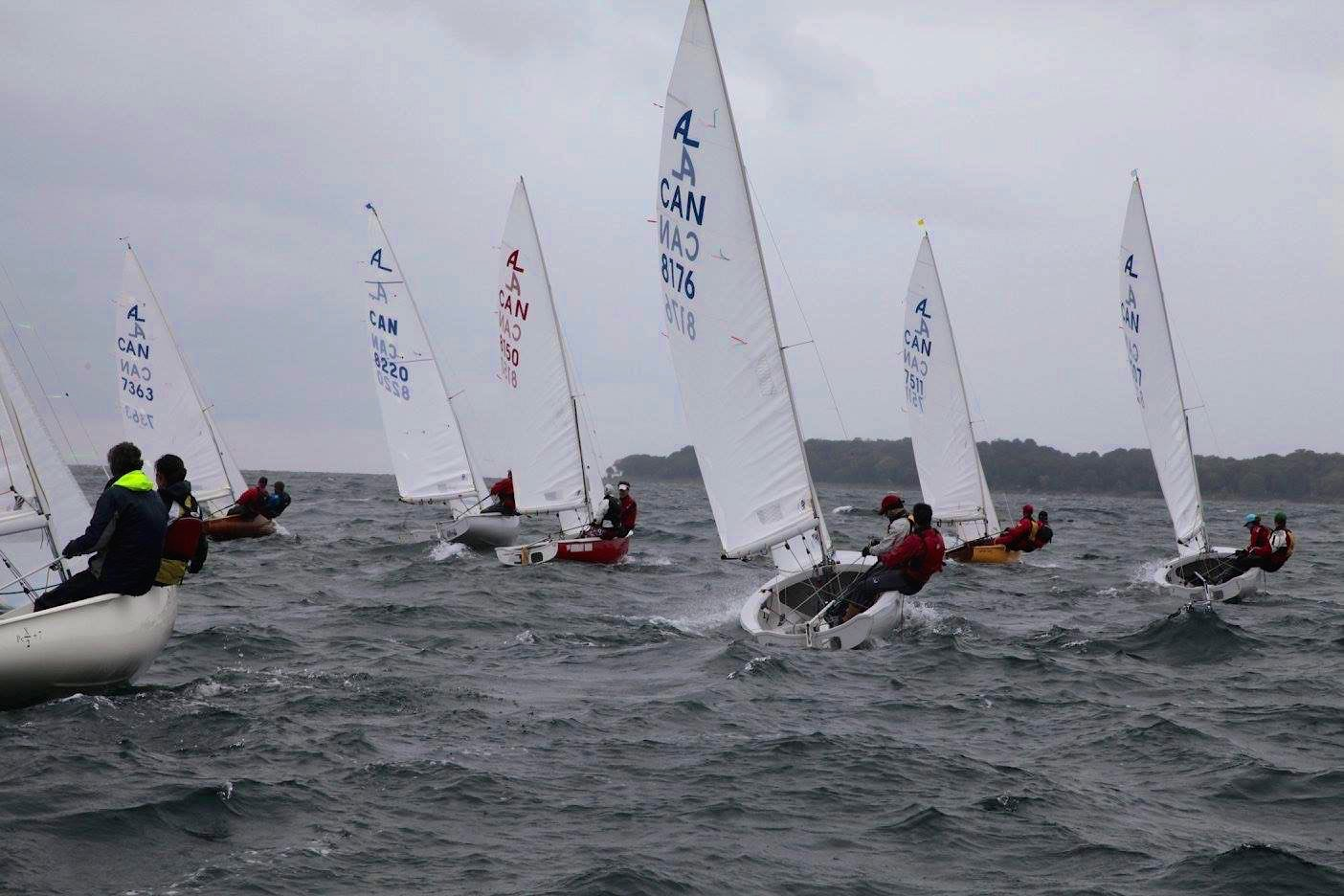
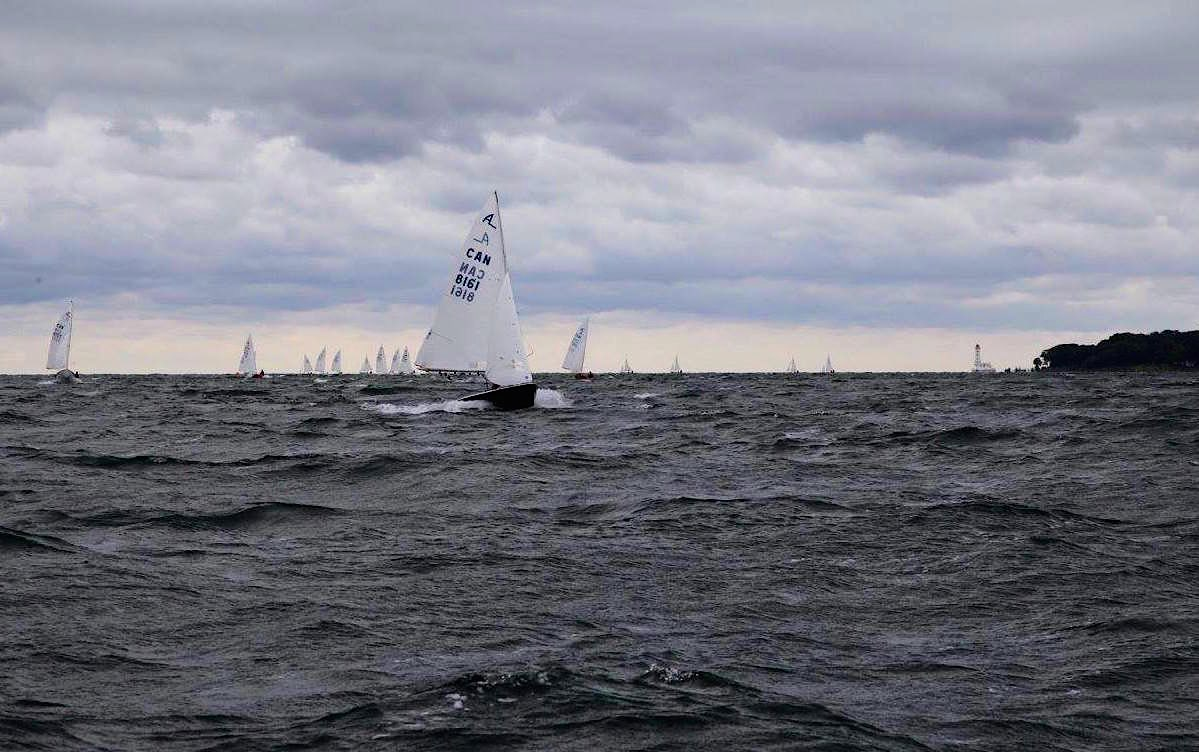
The second day saw entirely different conditions, with overcast skies and winds ranging between 15-25 knots. The waves kicked up, along with the high winds making for thrilling and exhausting sailing. A few capsizes were spotted, particularly at the gybe mark. By the day's wrap, Richard and I moved up to 1st, with 38pts. Having a good day takes the sting off having using brand new North sails in 25 knots. Chippendales (Darren Monster/Joel Yatscoff) were now in second and Robert Bartlewsky/Robbin Coedy in third. Jason and Bill continued with their lead in the B fleet.
That evening, the traditional AGM was held. Consult the minutes for what happened, I'm sure several important topics were covered. Sadly, I'm not able to remember, and was busy heckling.
The final day saw very similar conditions to Saturday, with wind around 15 knots, gusting to 25, and fabulous waves for surfing off the wind. A few capsizes were spotted, and during one planing reach we encountered some flotsam including two lunches, water bottles, a ball cap, and sailing instructions. Whoever is missing these items can please contact the BCC Lost and Found. By the end of another good day, Richard and I had sailed to 1st place, with Bartsky/Robbin moving up to 2nd, followed by Darren/Joel in 3rd. Jason and Bill led the B fleet from wire to wire. A great event, with socials, sailing and friends, a superb way to wrap up the season.
A couple of things come to mind about our sailing that weekend:
- OMG, we need some coaching for light and shifty winds.
- In Big Breeze:
- Relax, try not to fight the boat, depower upwind with major mast bend, cunningham and possibly pinning down. Barney Harris wrote the best article on how do this on the CAA website.
- In big breeze, rounding the windward with a gap to the boat behind, allows you to sail the wind/wave, not defensively. Stay out on the gunwhale through the whole rounding, and get planning ASAP. Do the rest after that is happening (setting the pole, raising the board, setting ram etc.)
- With such long upwinds, going for a risky start, jammed at the RC or Pin or too close to other boats, probably isn't worth it. We started close the middle almost every race.
Give a championship event (Ontarios, Canadians, US Nationals, North Americans) a try next year, these events ramp up the feel of a regatta, with longer courses, top notch PRO's, and a solid social calendar.
Notes From Closer To The Middle
Day 1
It was a warm sunny morning when the sailors competing in the 2015 Canadians gathered on the lawn of the Buffalo Canoe Club for the skipper's meeting. CRO Dave Sprague greeted us to set the stage for the day. What was most notable about his talk was the degree to which he expressed how much it 'sucks' (a quote) when the winds are coming from the south. Such was his vehemency, that it was met with eye-rolls and jokes – as if to say 'It can't be that bad', and 'would you just get on with it so we can get out there'. I think it was clear to all of us by the end of the day that, not only was Dave Sprague bang on in his description of the conditions, he had personally sailed them numerous times. 'From the south' meant bizarrely shifty, and it was also quite light, with only sporadic little breezes from time to time. Fun stuff.
Unfortunately, being well warned of the conditions did little to assuage the frustrations of many, including myself. The results were all over the place in that first day and all one could do was feel somewhat vindicated that one was not alone. Most frustrating was that we could not figure out what we did wrong. Perhaps that was a blessing really, as it likely helped my skipper David Maarse and I to maintain a semblance of camaraderie in the midst of torturous conditions. There was no blaming going on. Only mild suggestions (hopes?) as to how we might end our misery sooner, ie cross the finish line earlier. Raines & Abbey were the most consistently good that day – I have no idea how.
Once off the water, there was nothing to do but let it go. Generally, I'm very careful about what I drink at regattas, wanting to be sure I am well rested and have my brain intact for whatever comes. That night however, since we'd fared in the lower bottom half of the 'all over the place' results, I chose a different tack. Might as well party! There was much rum & coke to be drank, a beach walk to neighbours who weren't staying on site, games to be played and some form of boxing to be learned (thank you Michael Williamson for your patience, and sorry for that right hook that actually landed – oops). Top it off with a good chat with my room-mate and I was finally asleep. Robbin, I'm not sure how coherent that conversation was, but it was somehow … wasn't it??
Day 2
Oh, the dreaded alarm. Okay, okay, I'm up! Ugh. Nothing like some yoga to get all parts moving and get one present with reality. It's wet outside, and cold, so over I go to the main lodge, upstairs into the room some of us have used for yoga at previous events and ease into the day, repeating my mantra 'you can do this Laura.'
Met skipper for breakfast, though was late. Dave had assumed I was still in bed, not knowing my yogic tendencies. Breakfast stayed down and news of the conditions buoyed us both. It wasn't from the south, so we would be fine. There was the THANK GOD factor that there would be wind – in which we felt meant we would likely sail much better, not to mention it would clear out the cobwebs in my head by necessity. AND, there was that feeling of excitement. You know the one … when the wind is up, shackles rattling as you rig up, sails flapping hard when you raise them … the likelihood of waves … that brings excitement, and with it a wee bit of fear – which is just the flipside of excitement – and I think part of why I love sailing so much in those conditions. I feel most alive when on that line between 'danger' and mind-blowing fun. Dave had told me he likes sailing in these conditions best but we hadn't sailed in them together yet. Let's see how it goes …
Besides the yeehaw conditions of the day, of note was that we sailed our best finish of the event – a respectable 6th. And we didn't dump. Though we came mighty close at the gybe mark once with Darren & Joel hot on our right hip at the rounding. Though we filled with water, we did what we needed to clear it out and stay in the game and somehow managed to keep ahead of that woody that loves to reach behind us – at least for that leg. That felt good! Congrats to them in their overall 3rd place finish.
Allan & Richard were in a class of their own, sailing incredibly well, and well ahead of the fleet, consistently. Four straight bullets that day! WTF? Good for them though. Great to see. Total redemption from Day 1 for them.
Once the boats were tucked in for the night, we all headed for the showers, being soaked, pruney and for the most part darn cold. Good hot showers at that Buffalo Canoe Club. And the units on site had dryers – what a saviour. No putting on cold wet suits the next morning – hallelujah!
After dinner, Commodore Ian Brayshaw, kept ceremony to a minimum and swept through the AGM, setting a fine example of how it can be done.
I wouldn't know if others partied it up again Saturday night, as I was bound for bed early, I was exhausted.
Day 3
Similar forecast … mid-high teen wind speeds with gusts into 20s' with big waves, and rain. You can't really get any wetter than we were the day before, but hard rain does hamper visibility, not to mention penetrating your 'water proof' gear when it comes on with a vengeance. Worse between races. Makes it hard to eat too. For the most part, the RC was fabulous and in touch with the needs of the fleet, but had to wait for everyone to finish before starting new races and the fleet was much more scattered on day 2 and even more so on day 3.
We had another good day with a hiccup in the final race getting messed over during the start sequence. Still, not bad to climb up from dead last to mid fleet in that last one, though it likely only cost us one position in the final standings.
There were more dumps given the conditions, the notable one being Paul & Mia on the final leg, possibly costing them 3rd place overall. Bummer for them! If I recall correctly, they were in shallow water beating along the shore and it took a while to get the mast out of the sand.
Allan & Richard were a carbon copy of day 2 staying well ahead of the fleet all day. Three straight bullets. Geez! Also of notable mention on days 2 & 3 were Bartski & Robbin who, being on the light side of weight, were certainly heavy in skill & experience and a great example of how you can sail superbly in any condition if you know what you're doing (yeah, they even did ok on day 1). Fantastic job to finish 2nd overall.
As I was looking up the course in our approach to the finish of the final race, I saw Allan & Richard capsize! At first I said “Oh no, they've capsized … right in front of the finish line!” And then quickly replied to myself, “No way, they must have done that on purpose” Knowing those two and realizing it must have been right after the finish line. Sure enough we soon learned that Allan had picked an unaware Richard up by the scruff, as they crossed the line, and tossed him into the drink!
I think all would agree it was a very tough fleet, even if two notables were absent. This fleet just keeps getting better and in part it's because those two notables (aka Barney and George) have shared their skill and knowledge so generously. It makes it more fun for the rest of us and keeps them having to get better too, I reckon. A sign of true competitors, and overall good guys.
When the awards were presented, Dave & I were both puzzled to hear our names called. We both hesitated thinking there must be a mistake, and then someone said it was for the mid-fleet award. Oh. Well, that didn't feel very good to either of us, but then again, thinking back on our conversations about expectations for this regatta, it wasn't so bad. While we believe we can win races, top 3-5 anyway, it's an entirely different matter to place in a serious multi-day competition when you've been sailing together regularly and/or for years, and we hadn't. So in the end, while it felt weird to be awarded for mid fleet, it's not such a bad thing when you look at who beat us and what they've put into their year(s) of albacore sailing. So well done, Dave! And, hey, one can always find something to do with $50 at Fogh. Thank you CAA.
Perhaps best of all for me was to reconnect with the albacore fleet again, in competition. The familiarities, and the differences. Always good to see the familiar faces. Exciting to see who's been working hard and sailing well. Michael Williamson seems like someone to be watching to me. I'm particularly excited by the performance of some of the women – rock star Sarah Hudson, Christine Kelly who's been steadily on the climb, and our home grown Pan Am girl Liana Giovando. Well done ladies! You're an inspiration.
Equally wonderful was simply catching up with friends who I hadn't really talked to for some time. It felt good to be back.
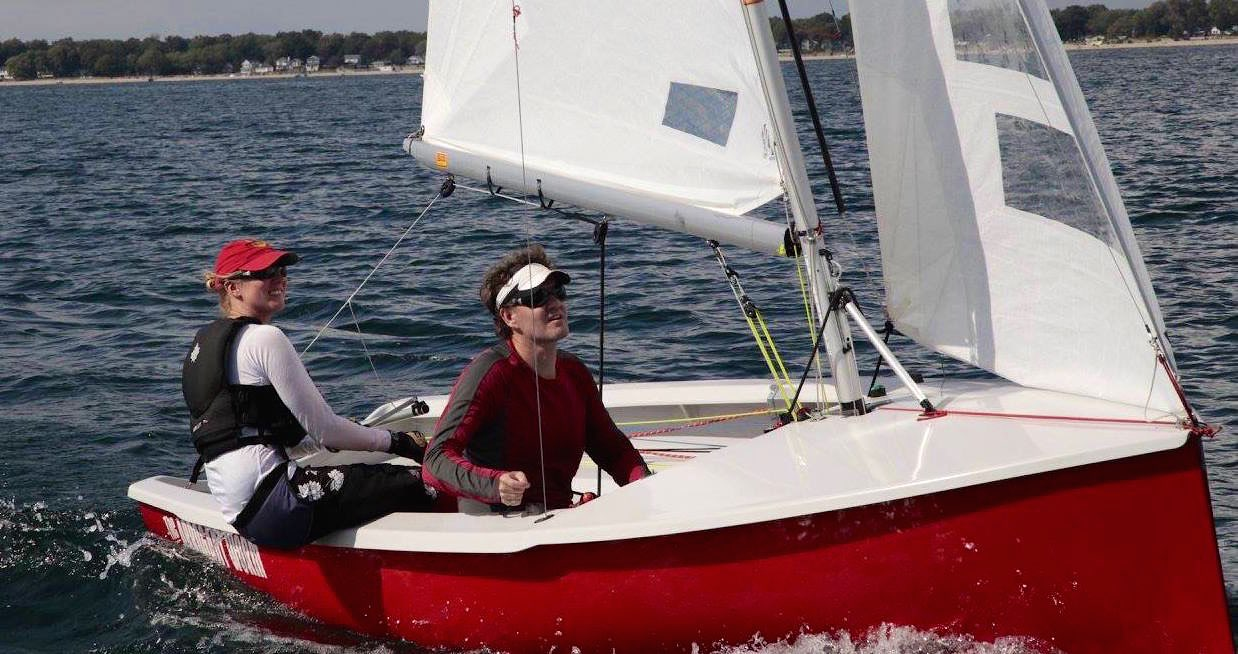
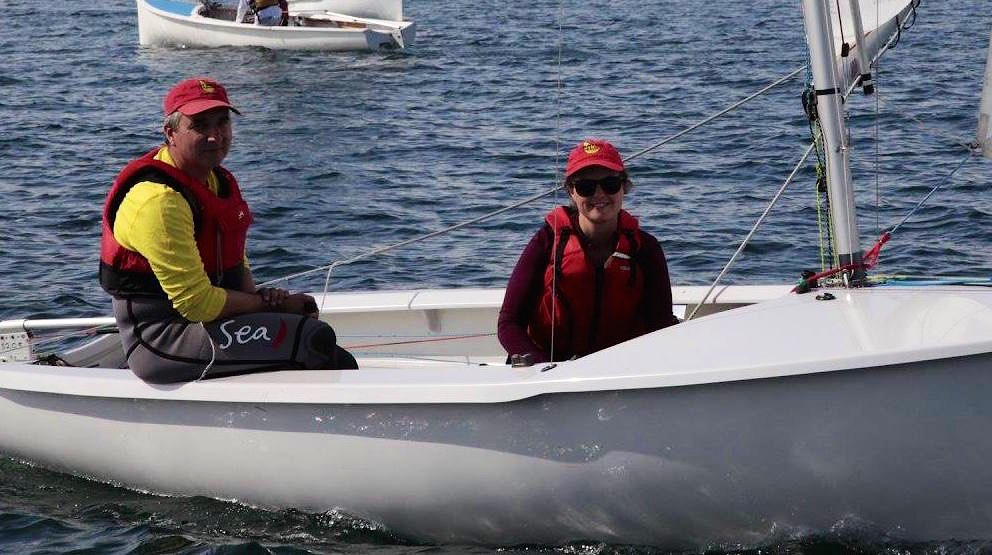
Some Pics From The 2015 Season
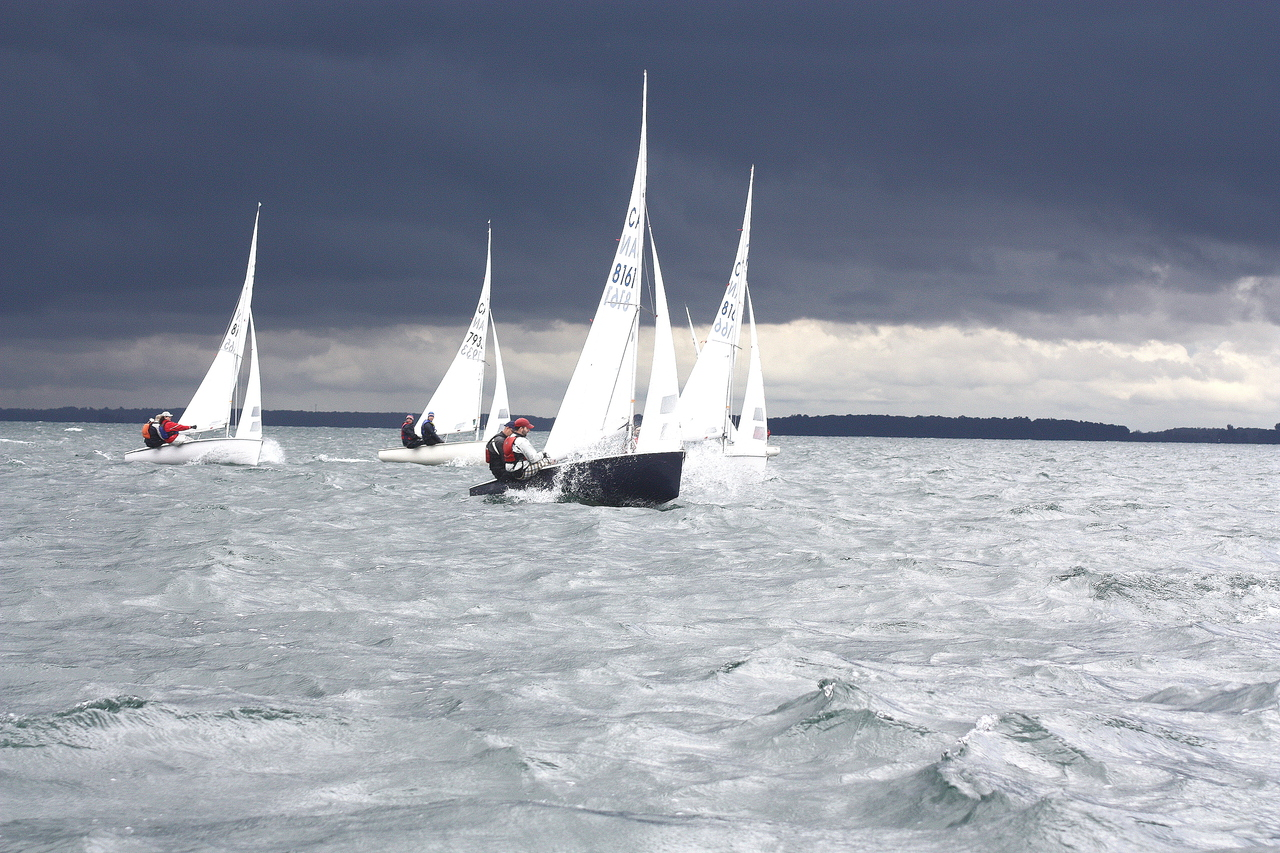
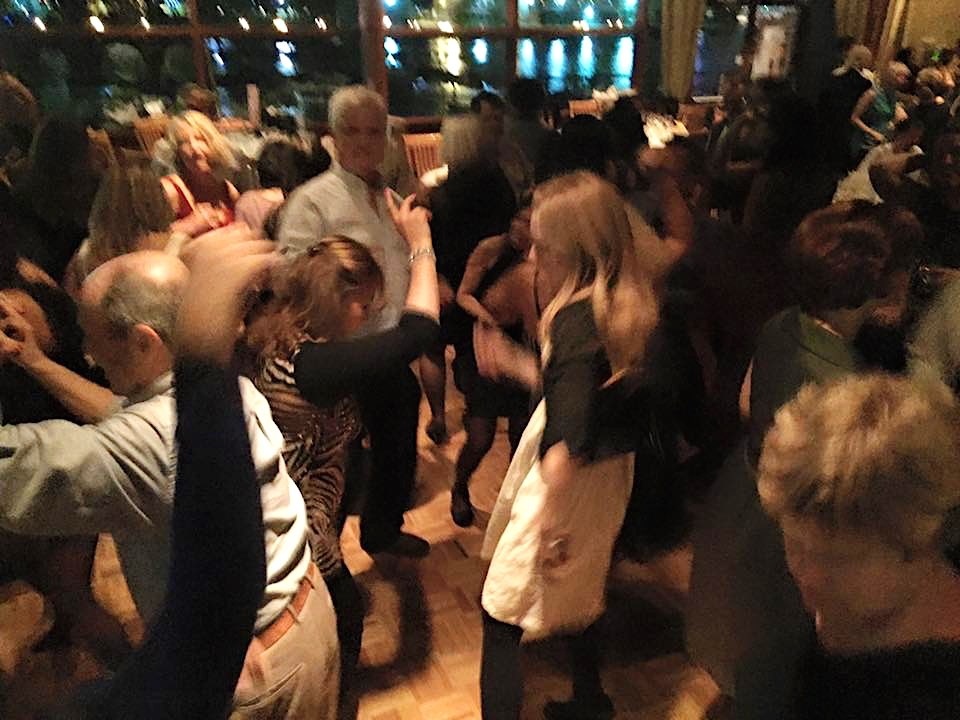
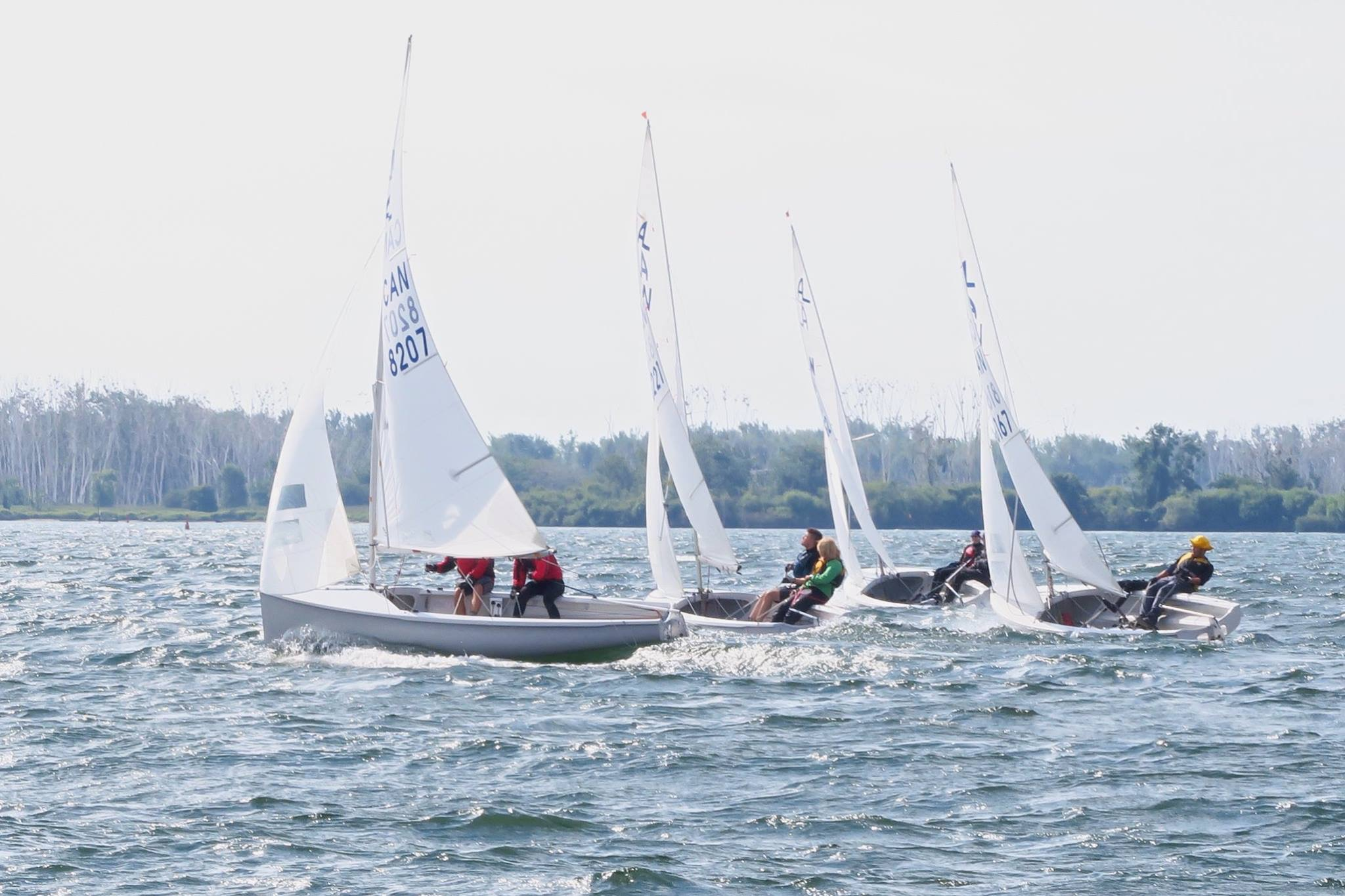
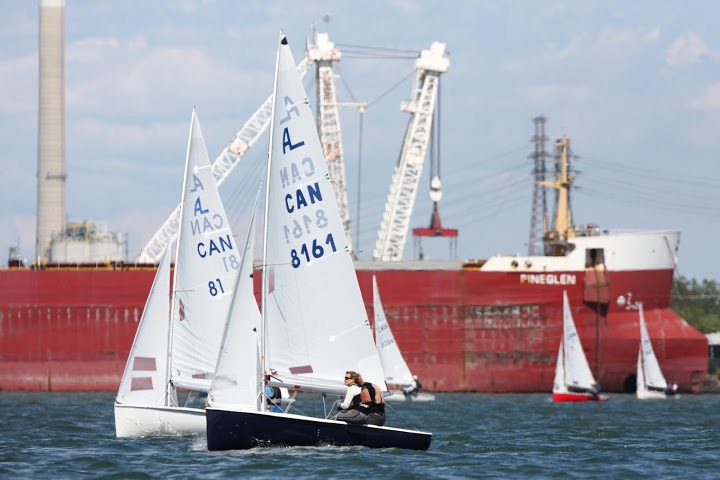
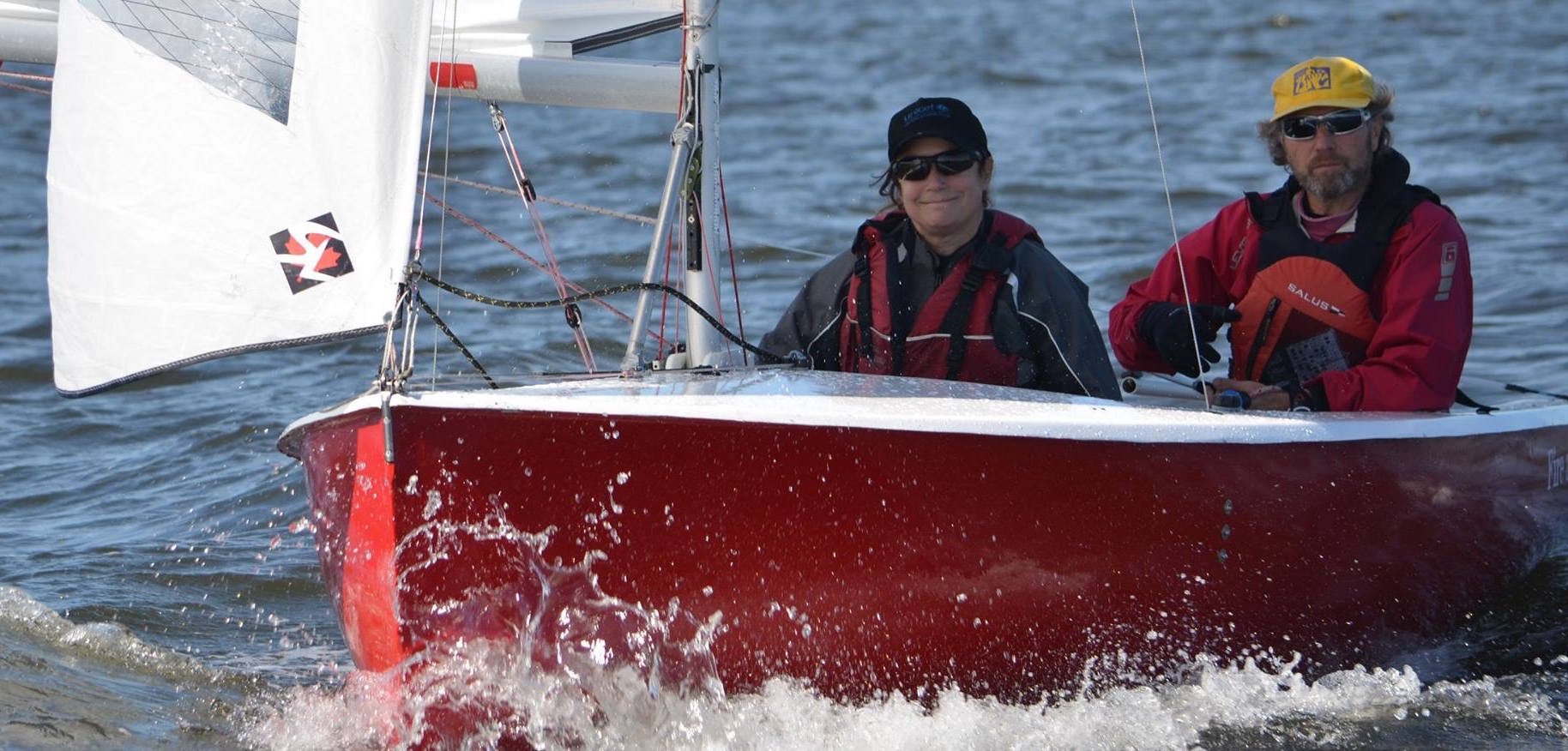
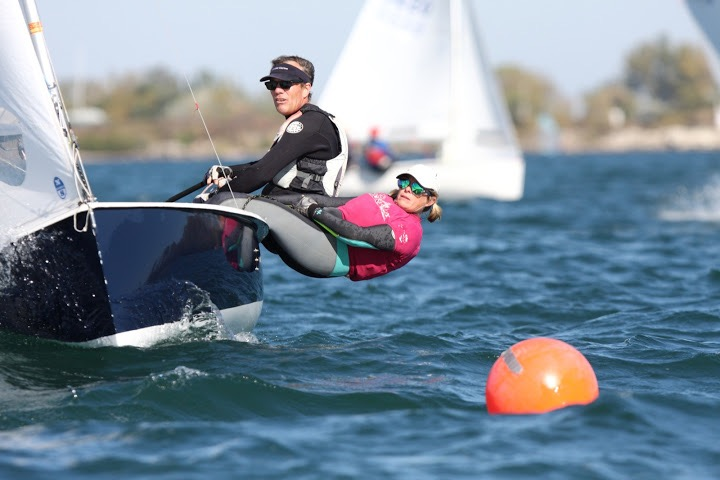
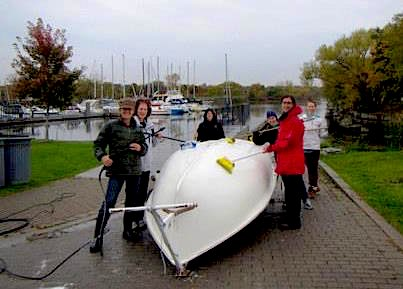
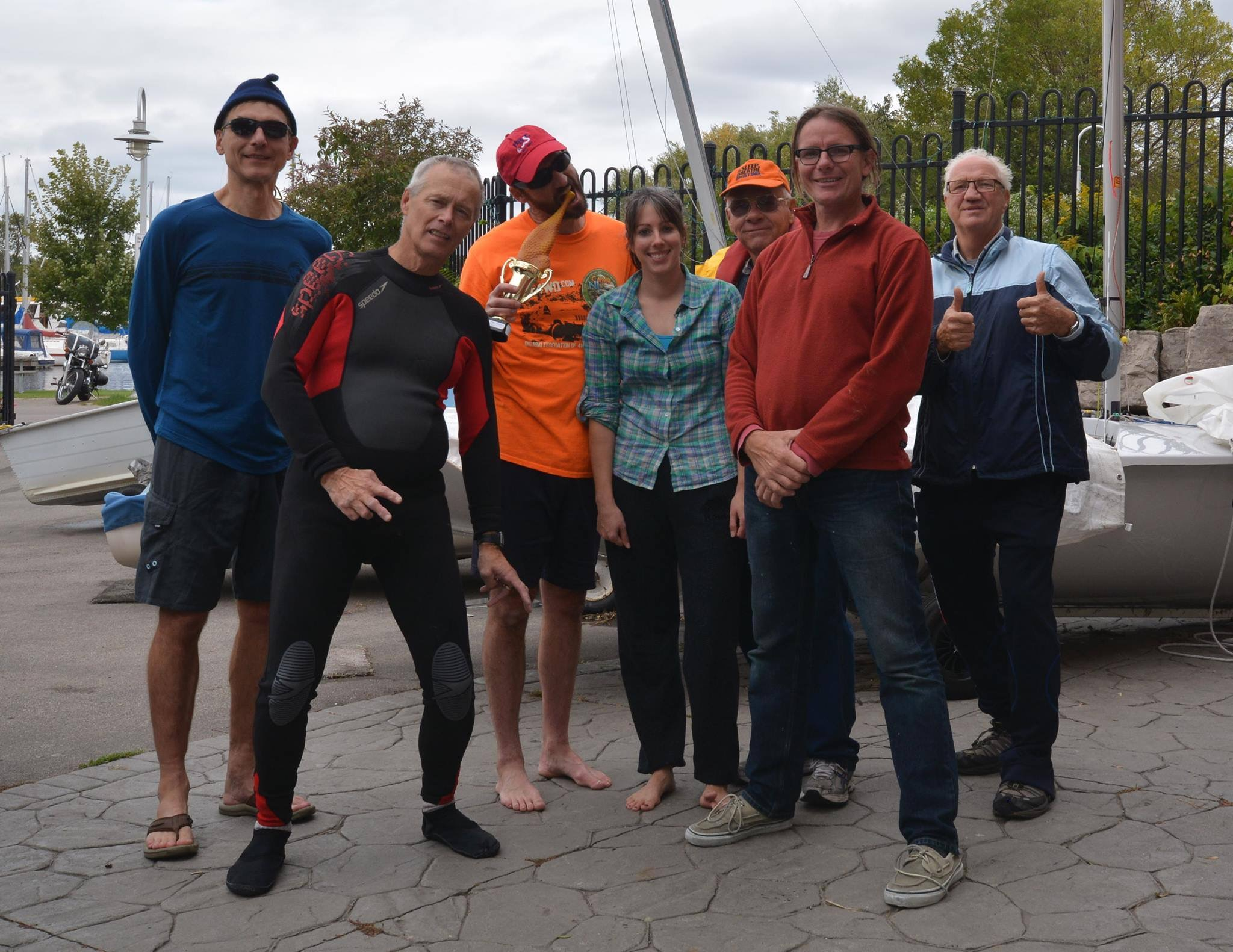
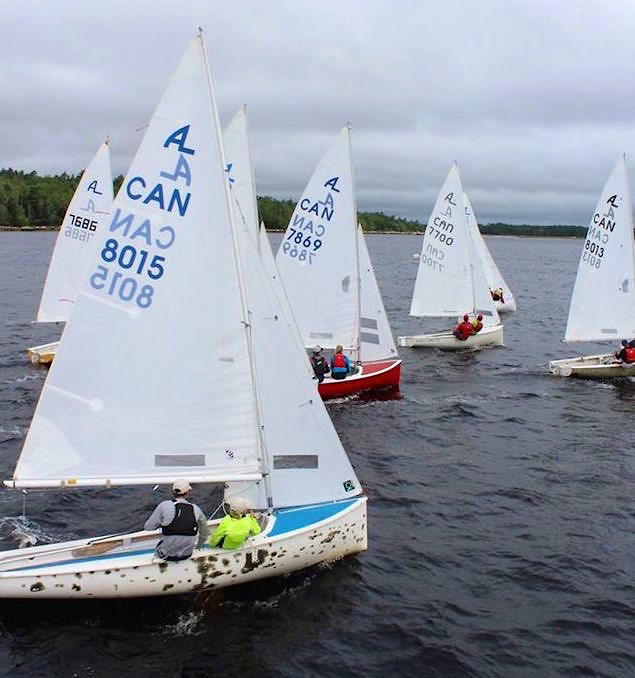
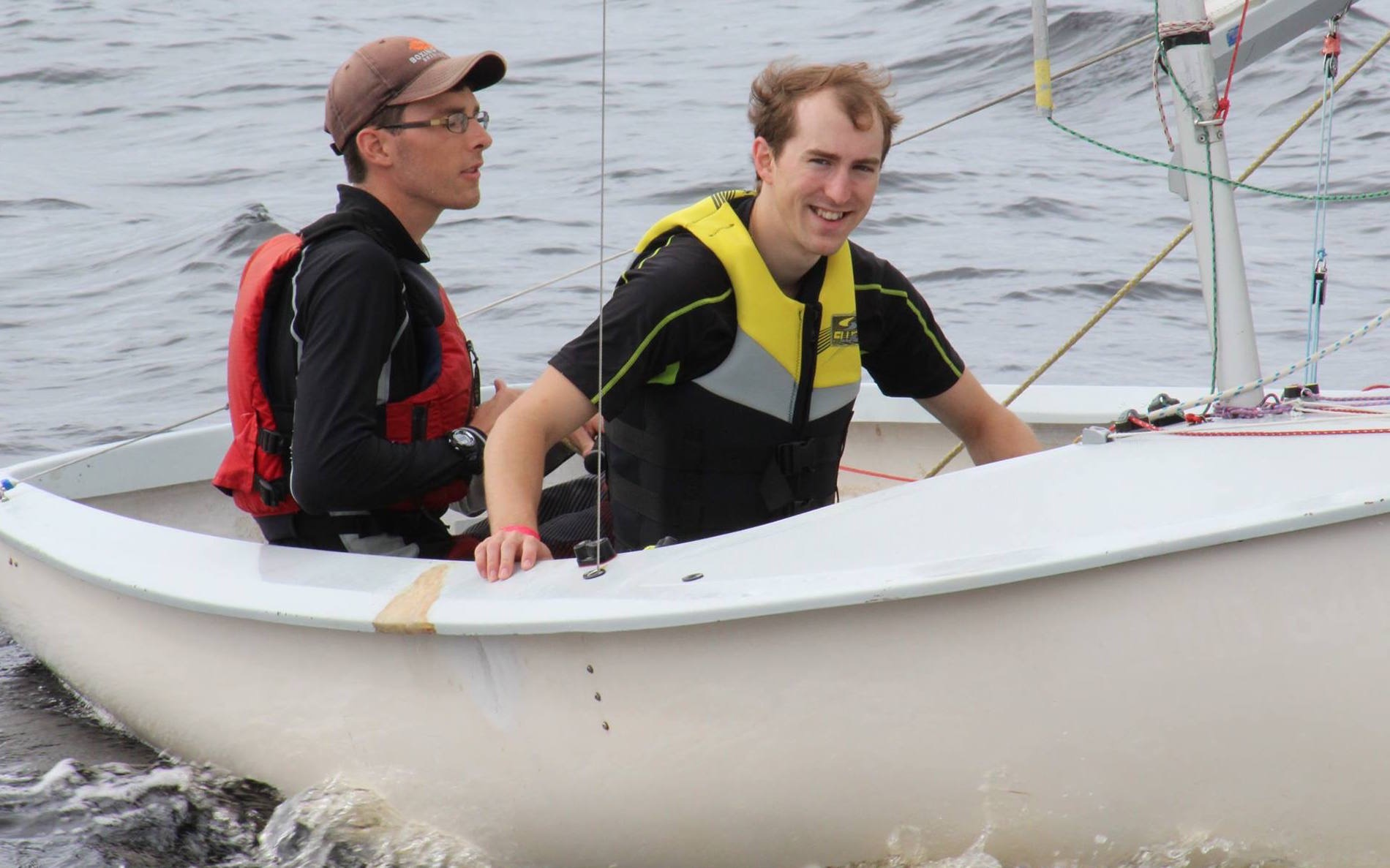
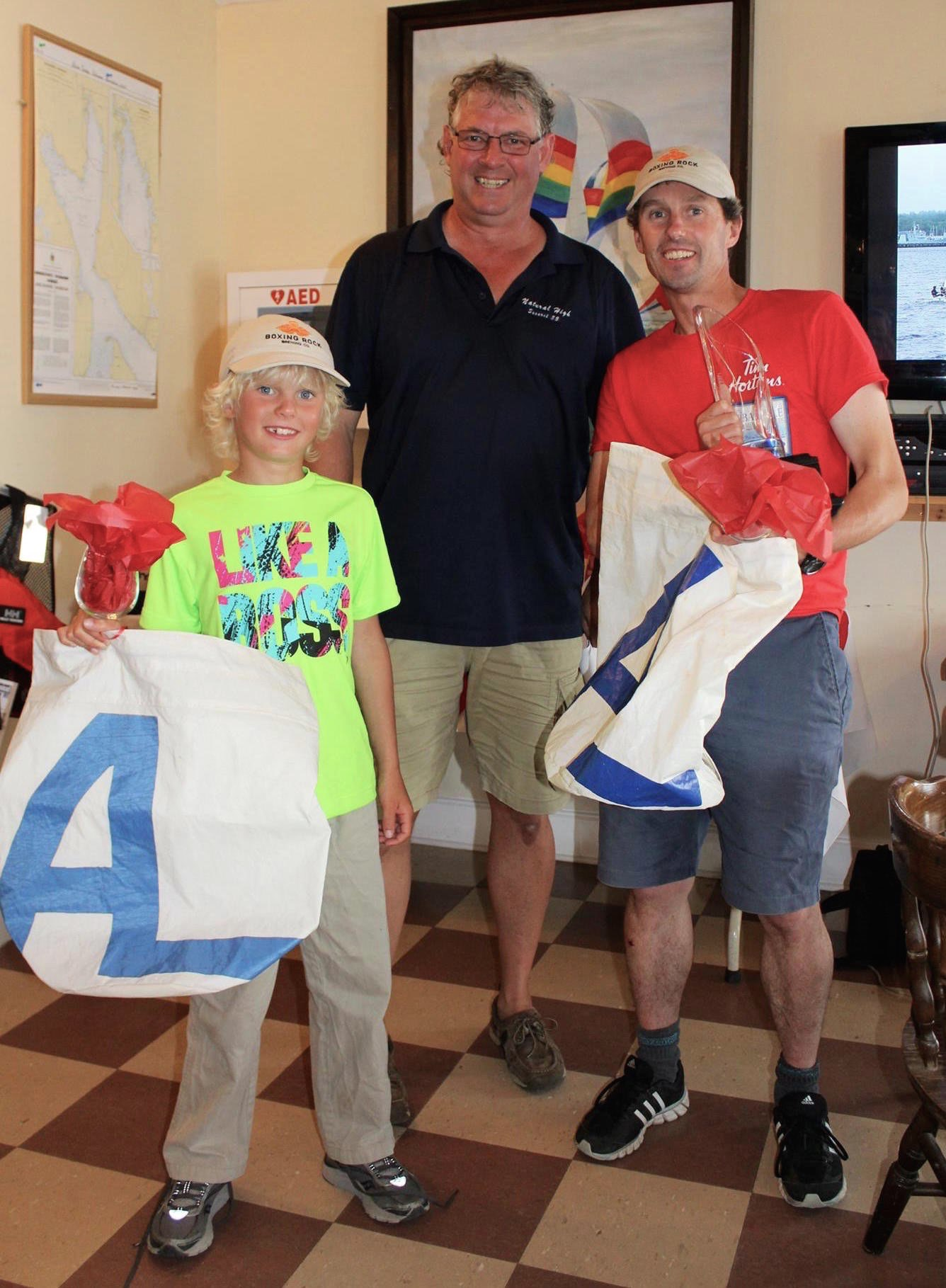
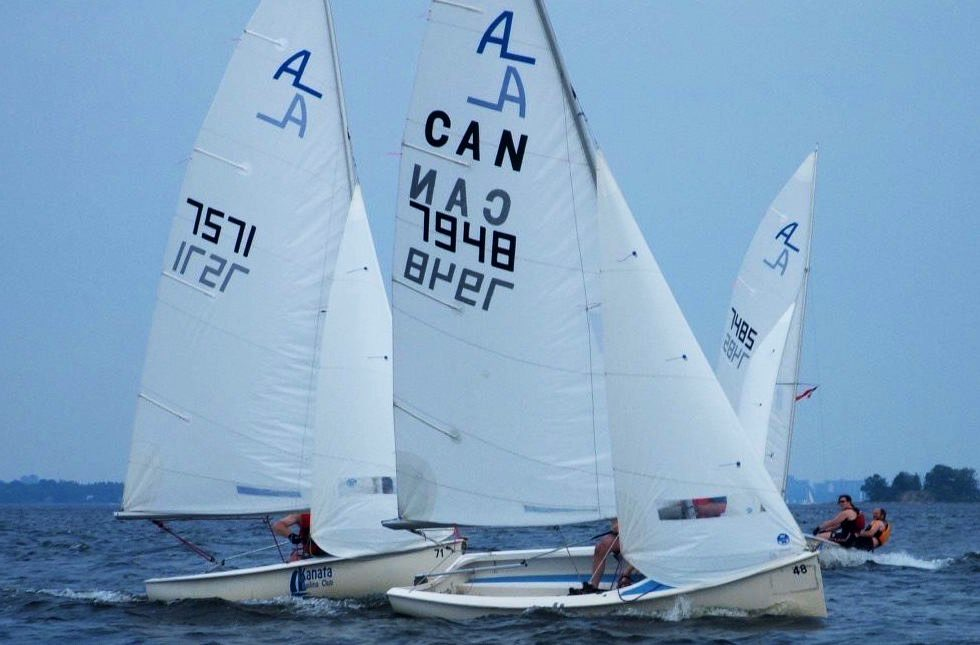
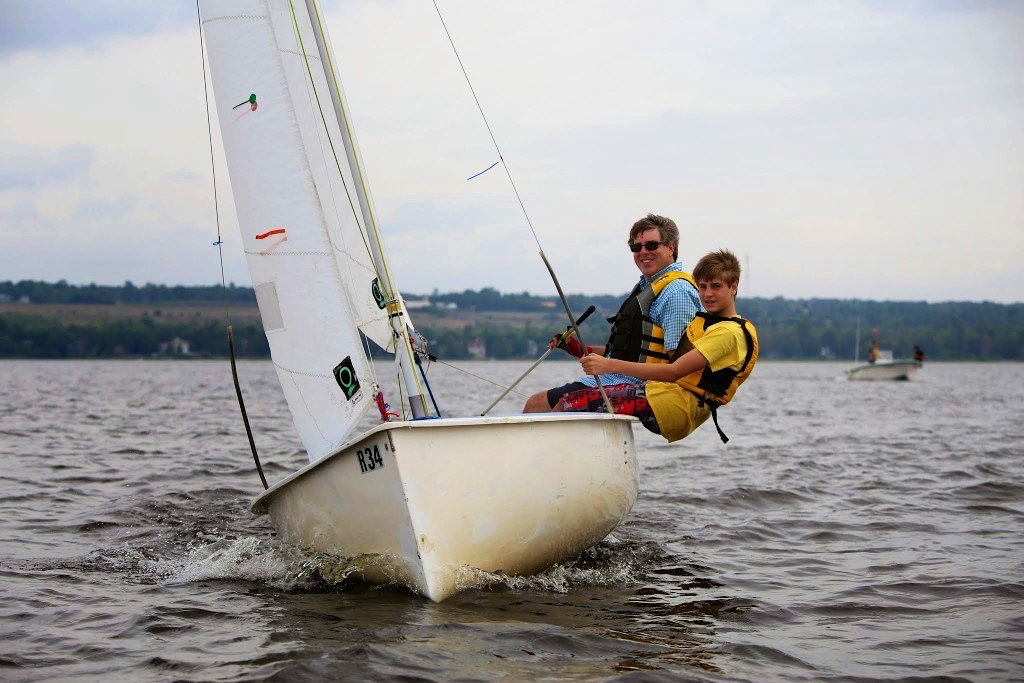
2015 Canadians
Day 1
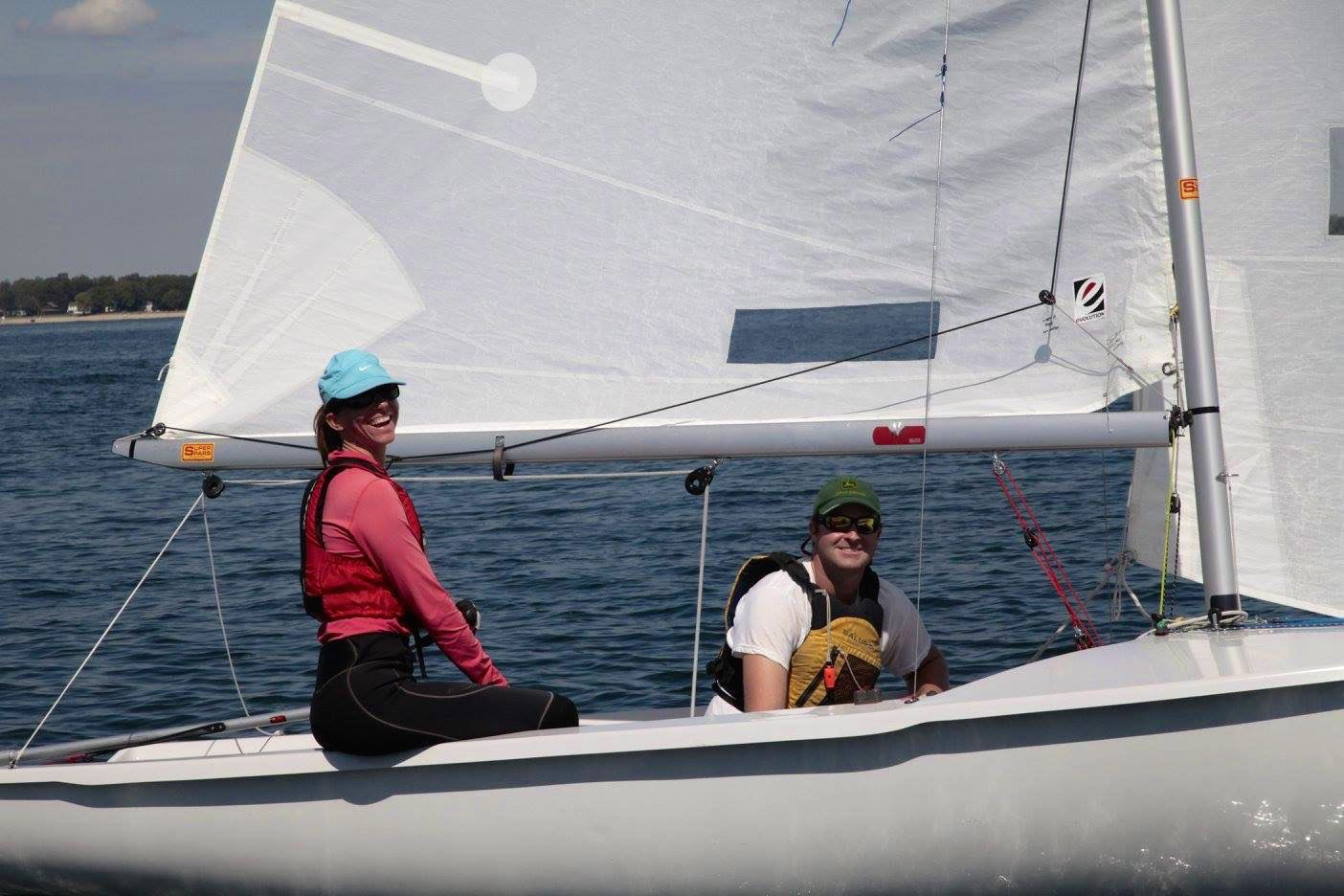
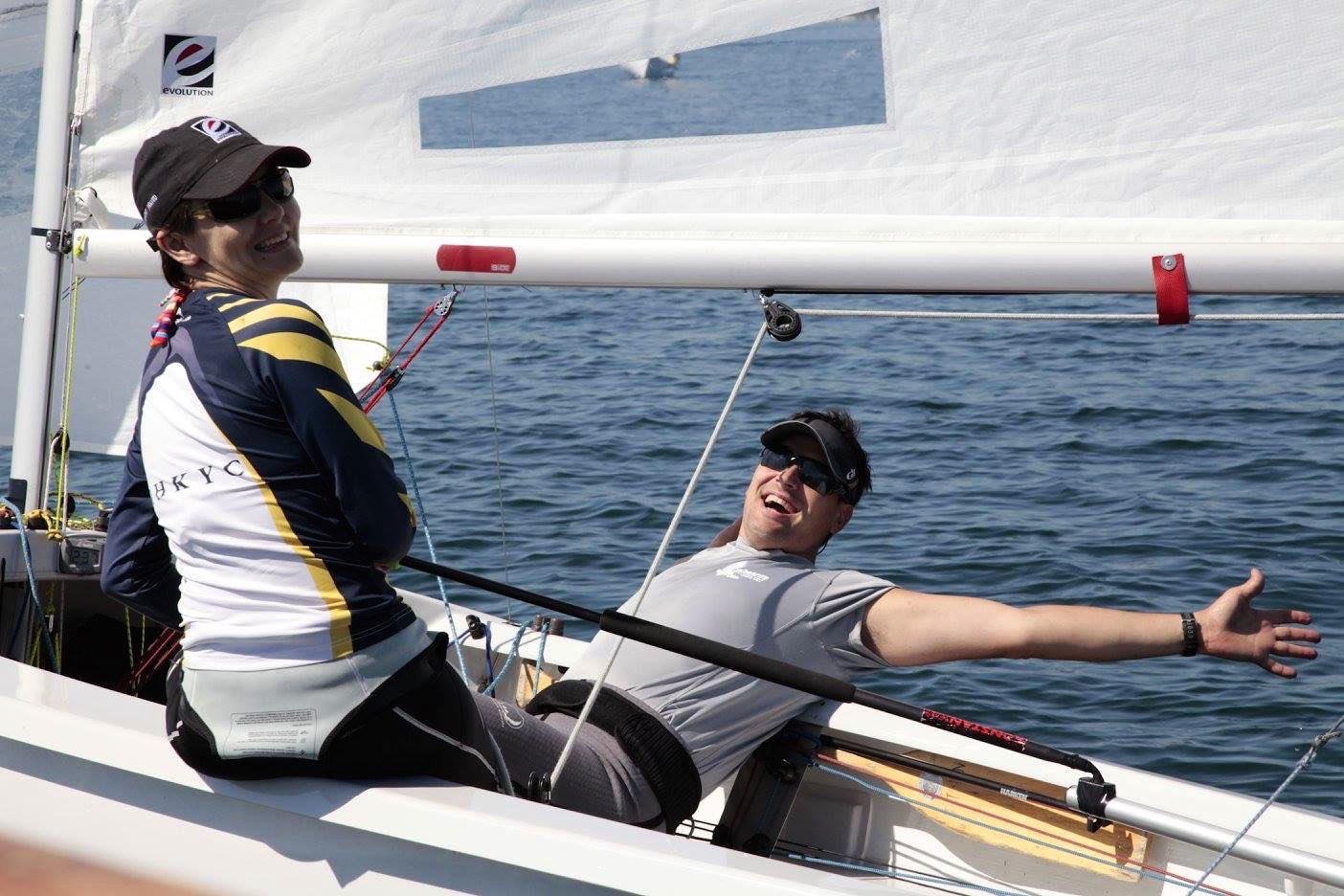
Canadians Day 2
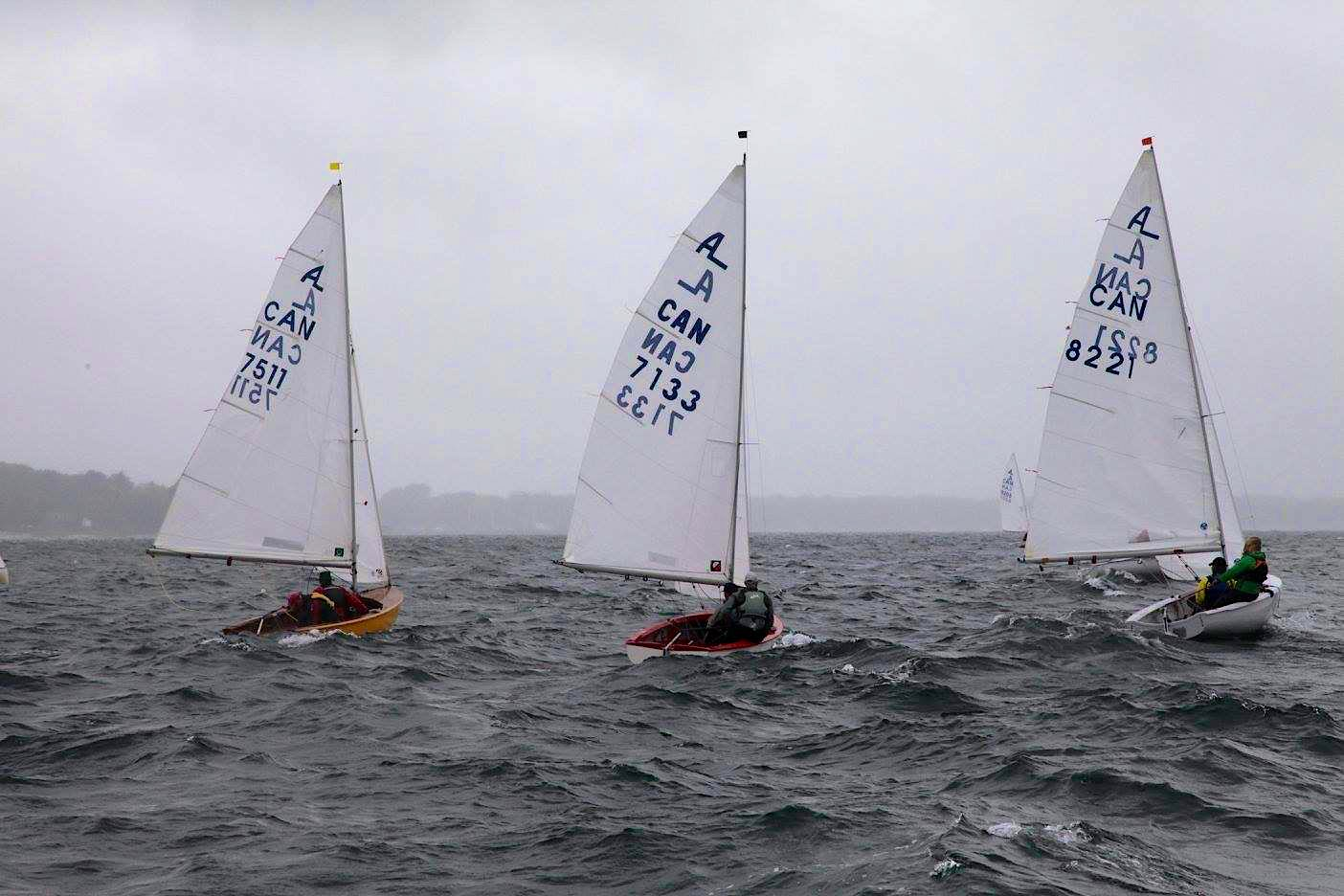
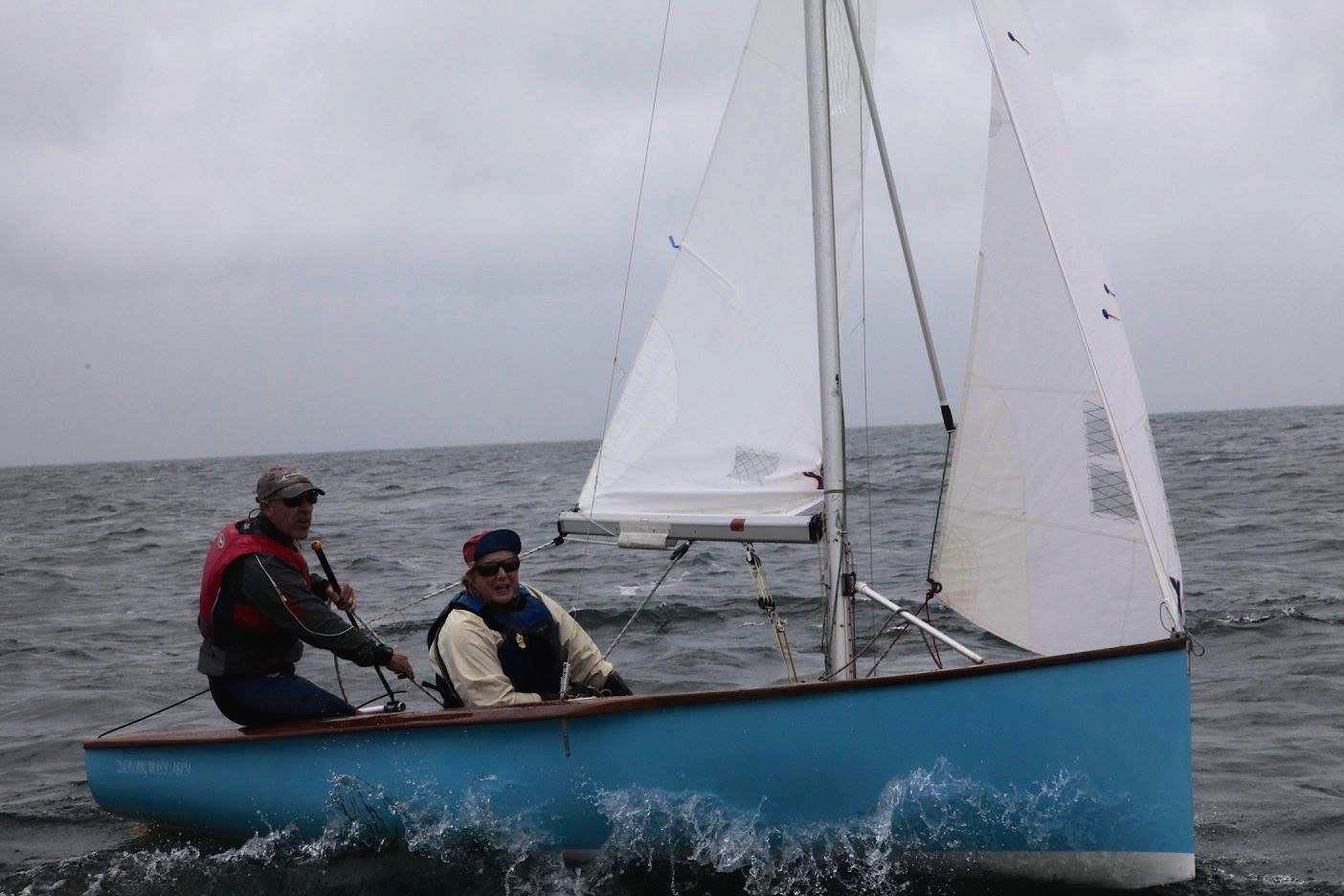
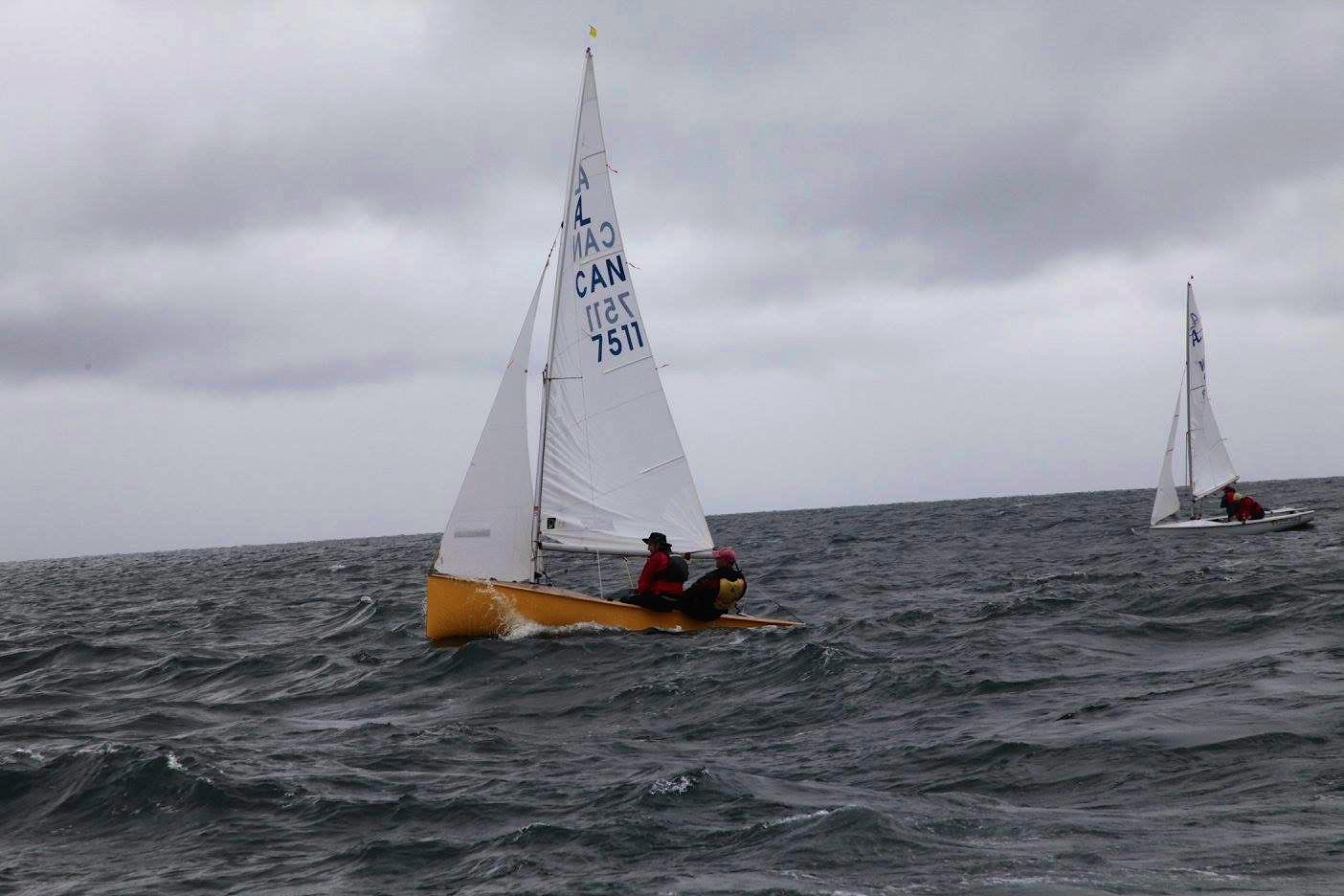
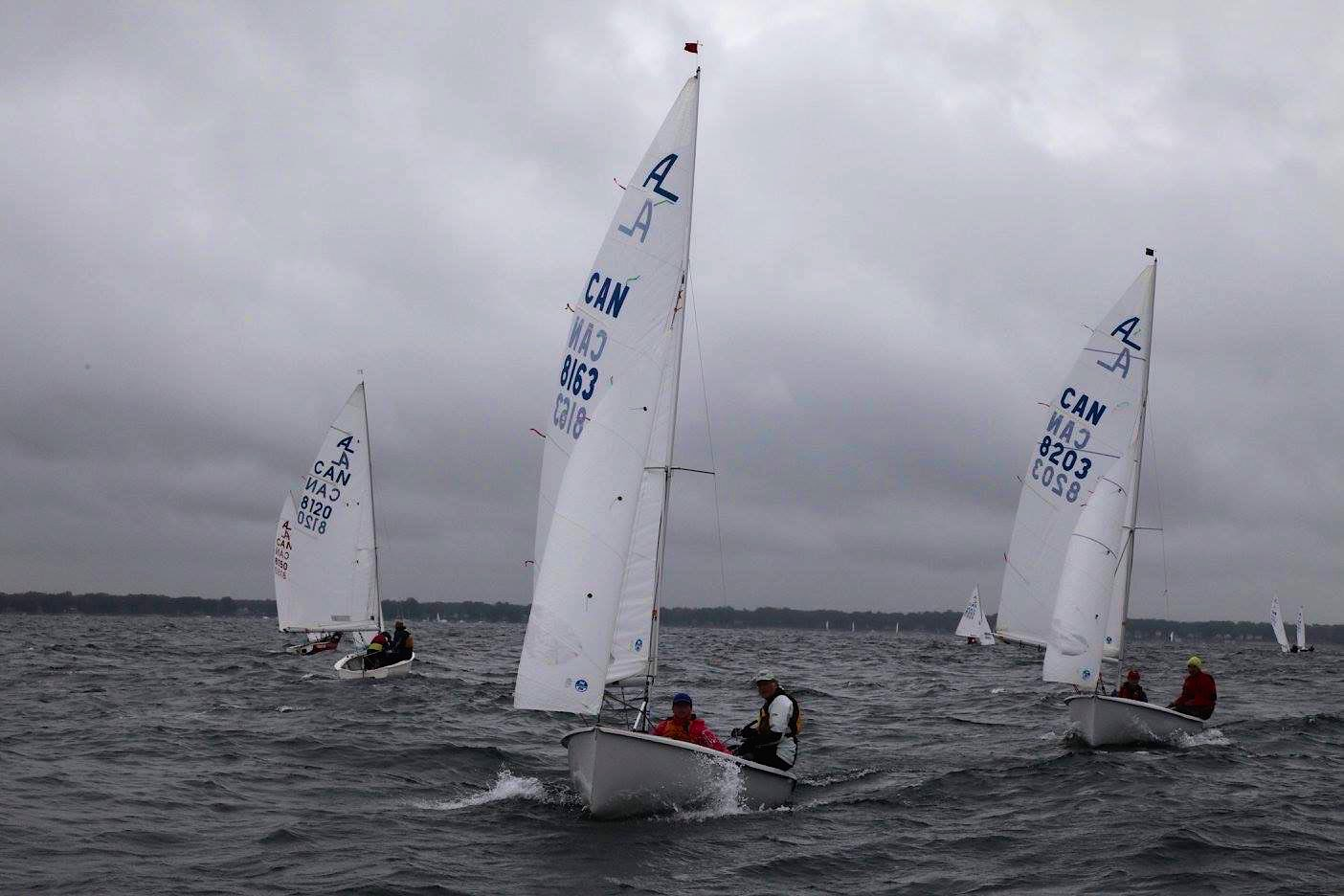
Day 3
Ontario Sailing's Club & Boat Exhibition Day
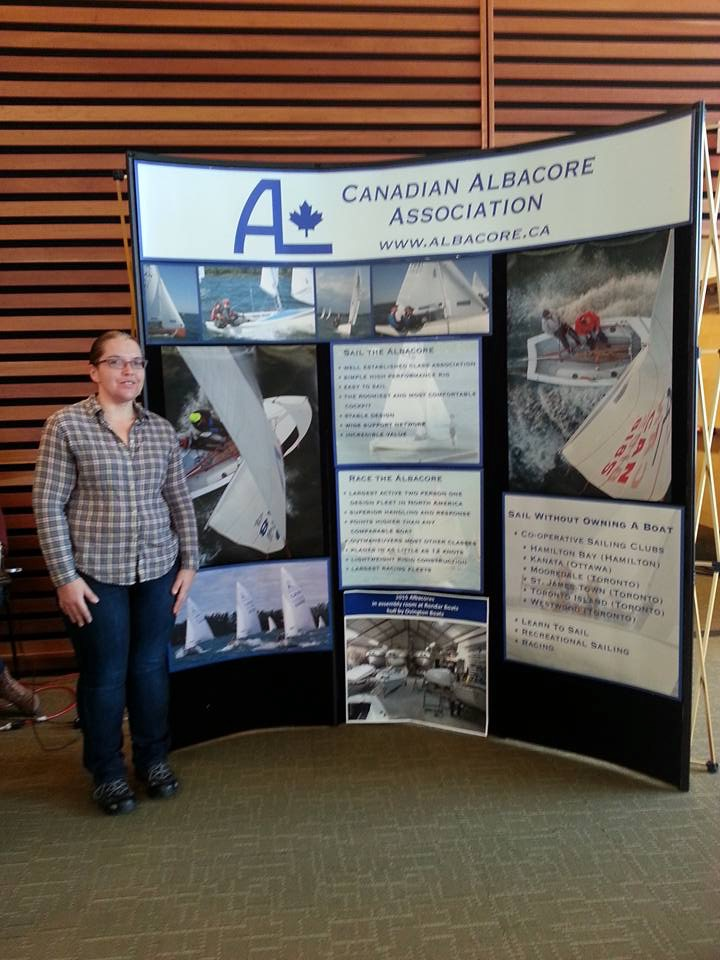
On Sunday, November 21st, Ontario Sailing held their first annual Club & Boat Exhibition Day at the Toronto Reference Library. The event ran in conjunction with the two-day Ontario Sailing Symposium event based out of Port Credit Yacht Club.
The CAA was one of 60 groups and vendors participating in the Exhibition Day activities. Sailing Symposium participants and the general public were welcomed to our booth, enjoying the Albacore videos and media on display. Many thanks to Patty MacPherson, Suzanne Millar and Mark Yovorsky of TISC, Mary Free and Stephanie Stalinksi from Westwood, and Graham Pearson from J-Town, who helped staff our booth during the event and distributed community-club brochures. Big thanks also to Tannis Baker and Darren Monster for their slideshow material and videos.
Your 2016 CAA Executive Board
| Rear Commodore & Canadians Regatta Chair | Darren Monster |
| Commodore | Ian Brayshaw |
| Past Commodore | Mary Neumann |
| First Vice-Commodore & Race Chair | Michael Williamson |
| Second Vice-Commodore & Promotions | Graham Pearson |
| Third Vice-Commodore & Education | Frank Loritz |
| Secretary | George Carter |
| Membership Secretary | Michelle Adolphe |
| Treasurer | John Cawthorne |
| Chief Measurer | Ken Yamazaki |
| Specifications Committee Chairman | David Weaver |
| Editor, Shackles & Cringles | Tannis Baker |
As always, the editor would like to thank everyone for their generous contributions. Please feel free to join in the fun - send me your experiences, thoughts, photos and jokes!
© 2016 Canadian Albacore Association | www.albacore.ca